Health tip · 6 min read
Why Joints Feel Stiffer in Winter, and How to Keep Them Moving

Written and reviewed by Dr. Meghna Oza, B.PT
Published 7 October 2026. Last reviewed 8 October 2026.
Many people with arthritis report more stiffness and pain in cold weather, although research on weather and joint pain is mixed. Staying active indoors, warming up in the morning, keeping joints warm, gentle daily exercise and good sleep help most people keep their joints moving comfortably through winter.
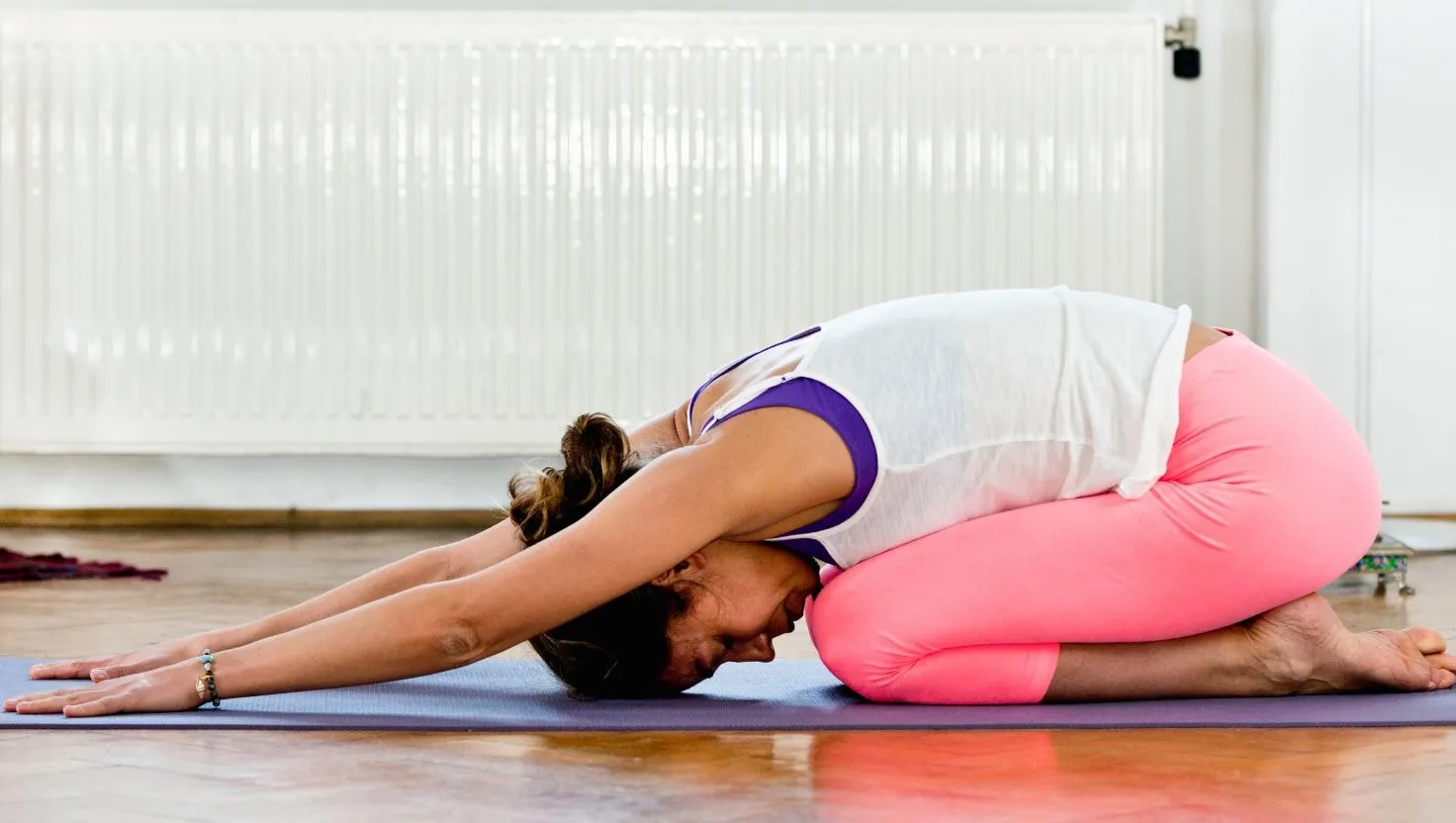
Every year as December arrives, my older patients in Ahmedabad start telling me the same thing: “My knees are stiffer in the morning.” “My fingers ache more.” “It takes me longer to get going.”
Ahmedabad winters are mild compared to North India, but early mornings can feel cold, especially in homes with stone or marble floors. Many people with arthritis notice their joints feel worse at this time of year. Here is what we know, and what you can do about it.
Does cold weather really affect joints?
Many people with arthritis report more stiffness and pain in cold weather, and their experience is real. Scientists are still studying exactly why. Research on weather and joint pain has given mixed results: some studies find a link with cold, damp weather or changes in air pressure, while others do not.
Some likely reasons joints feel worse in winter include:
- People move less. When it is cold, we tend to stay inside, sit more and walk less. Less movement means stiffer joints and weaker muscles.
- Muscles tighten in the cold, which can make joints feel stiffer.
- Changes in mood and sleep, which can make pain feel stronger.
- Less sunlight, which may affect mood and vitamin D levels.
The important message: cold weather does not damage your joints. Stiffness usually improves with movement and warmth.
Practical tips for winter joint care
1. Start the day gently
- Before getting out of bed, do a few simple movements: point and flex your ankles, bend and straighten your knees, make fists and open your hands.
- Take a warm shower or bath to loosen up.
- Wait a few minutes before tackling stairs or heavy tasks.
2. Keep warm
- Wear layers, socks and warm footwear, especially on cold floors.
- Use a light blanket over your knees when sitting.
- A warm water bag or heat pack for 15 to 20 minutes can ease stiff joints. Always place a cloth between the heat and your skin. Take extra care if you have diabetes or reduced feeling.
3. Keep moving every day
Movement is the best medicine for stiff joints.
- If early mornings are cold, walk later in the day when it is warmer.
- Walk indoors: around the house, in a corridor or at a covered mall.
- Break up sitting time every 30 minutes, even just by standing up and walking around.
4. Do daily joint friendly exercises
Here is a simple 10 minute routine:
- Ankle circles: 10 in each direction, each foot
- Knee straightening while seated: 10 on each leg
- Sit to stand from a chair: 8 to 10 times
- Shoulder rolls: 10 backwards
- Arm raises: lift both arms overhead slowly, 10 times
- Hand exercises: make a fist, then spread your fingers wide, 10 times
- Gentle marching on the spot, holding a counter, for 1 minute
Do this routine once or twice a day. Move slowly and stay within comfort.
5. Look after your weight and diet
Winter in Gujarat brings delicious food, from undhiyu to chikki and laddoos. Enjoy it in moderation. For people who are overweight, keeping weight under control reduces the load on knees and hips. A balanced diet with vegetables, fruit, pulses and enough protein supports healthy muscles.
6. Get some sunlight
Spend some time outdoors in the daytime sun. If you are concerned about vitamin D or bone health, discuss testing and supplements with your doctor.
7. Sleep well
Poor sleep makes pain feel worse. Keep a regular sleep routine and make your bedroom warm and comfortable.
8. Stay safe from falls
Cold mornings, dew on floors and less daylight can increase the risk of falls. Wear non slip footwear, use night lights, and take extra care on wet or polished floors.
Special tips for festival season
Winter brings weddings, Uttarayan and family functions, which often mean long hours of standing, sitting on the floor or climbing stairs to terraces.
- Sit on a chair rather than the floor when possible
- Take breaks and sit down regularly at long functions
- Use the rail on stairs, and do not climb in a rush
- Plan rest days after busy days
How a physiotherapist helps
If winter stiffness is affecting your daily life, a physiotherapist can assess your joints, find which muscles need strengthening, and create a personal winter exercise plan. Treatment may include strengthening and mobility exercises, hands on therapy for stiff joints, heat and other pain relief methods, and advice on pacing activities. Exercise is recommended by NICE as a core treatment for osteoarthritis throughout the year, not just in winter.
Myths and facts about arthritis
Myth: Arthritis is just a part of old age, and nothing can be done. Fact: Arthritis is common with age, but a lot can be done. Exercise, weight management, good footwear and pain relief strategies help most people stay active.
Myth: If my joint hurts, exercise is damaging it. Fact: Some discomfort during exercise is common and usually safe. The right exercise strengthens the muscles that protect the joint. Sharp pain or pain that lasts into the next day means you should adjust the amount, not stop altogether.
Myth: Rest is the best treatment for a stiff joint. Fact: Long periods of rest make joints stiffer and muscles weaker. Gentle, regular movement is usually far better.
Myth: Only medicines or injections can help. Fact: Medicines and injections can help some people, but exercise is the core treatment recommended for osteoarthritis. They work best together.
A simple winter day plan for stiff joints
- Morning: gentle movements in bed, a warm shower, then a slow start to the day
- Mid morning: your 10 minute joint routine
- Afternoon: a walk outdoors in the warmest part of the day, or indoors if it is cold or polluted
- Evening: a few gentle stretches, warm socks, and a heat pack if your joints ache
- Throughout the day: stand up and move every 30 minutes
Small, regular habits like these add up to much easier movement through the winter months.
When to see a physiotherapist
Book an assessment if:
- Joint stiffness lasts more than an hour every morning
- Pain is stopping you from walking, sleeping or doing household work
- You are walking much less than usual
- You have had a fall or feel unsteady
- You want a safe exercise plan for your arthritis
Warning signs that need a doctor
See a doctor promptly if:
- A joint becomes hot, red and very swollen, especially with fever
- You have morning stiffness lasting more than an hour along with swelling in several joints, which may suggest an inflammatory arthritis
- You suddenly cannot bear weight on a leg
- You notice a painful, swollen calf
- You have unexplained weight loss or feel very unwell
Key points to remember
- Cold weather does not damage joints, though many people feel stiffer in winter.
- Start the day gently with simple movements and a warm shower.
- Keep moving every day, indoors if mornings are cold.
- Keep warm, sleep well and enjoy festive food in moderation.
- See a doctor for hot, red, swollen joints or long morning stiffness in several joints.
The bottom line
Joints may feel stiffer in winter, but cold weather does not have to slow you down. Keep warm, start your day gently, and above all, keep moving every day. If you are in Ahmedabad and need help managing arthritis this winter, I can see you at my Chandranagar practice, at home or online.
Frequently asked questions
Does cold weather damage arthritic joints?
There is no good evidence that cold weather damages joints. It may make them feel stiffer or more painful for some people, which usually improves with movement and warmth.
Should I exercise less in winter?
No. Winter is a time to keep moving. If it is cold outside in the early morning, exercise indoors or walk later in the day when it is warmer.
Are hot water baths good for joint pain?
A warm bath or shower in the morning can ease stiffness for many people. Avoid very hot water, especially if you have diabetes, poor circulation or heart problems.
How I can help
Related conditions
Read next
- 8 Safe Exercises for Knee Pain You Can Do at Home Eight simple, safe exercises for knee pain and knee arthritis that you can do at home, explained by an Ahmedabad physiotherapist with 10+ years of experience.
- How to Prevent Falls in Older Adults: Exercises and Home Safety Tips Practical fall prevention for elderly parents: balance and strength exercises, home safety checks and when to get help. From an Ahmedabad physiotherapist.
- Physiotherapy or Surgery for Knee Pain: What Should You Try First? Should you have knee surgery or try physiotherapy first? An Ahmedabad physiotherapist explains what guidelines say, who needs surgery and how to decide.
Trusted sources used for this page
- Osteoarthritis , NHS
- Osteoarthritis in over 16s: diagnosis and management (NG226) , National Institute for Health and Care Excellence (NICE)
This page is general health information, not a diagnosis. Please see a doctor or physiotherapist for advice about your own condition. Read the medical disclaimer.