Condition
Stroke Rehabilitation at Home in Ahmedabad

Written and reviewed by Dr. Meghna Oza, B.PT
Last reviewed 8 October 2026.
Stroke rehabilitation is physiotherapy that helps people regain movement, balance and independence after a stroke. Dr. Meghna Oza provides stroke rehab at home across Ahmedabad, with task based practice for walking, arm use and daily activities, and training for family members.
Common symptoms
- Weakness or paralysis on one side of the body
- Difficulty walking or keeping balance
- Stiffness or tightness in the arm or leg
- Difficulty using the hand for eating or dressing
- Tiredness and low stamina
Ways to see me
- Practice visit
- Home visit
Typical plan: Regular sessions over 3 to 6 months or longer, with goals reviewed every few weeks
Session: 45 to 60 minutes
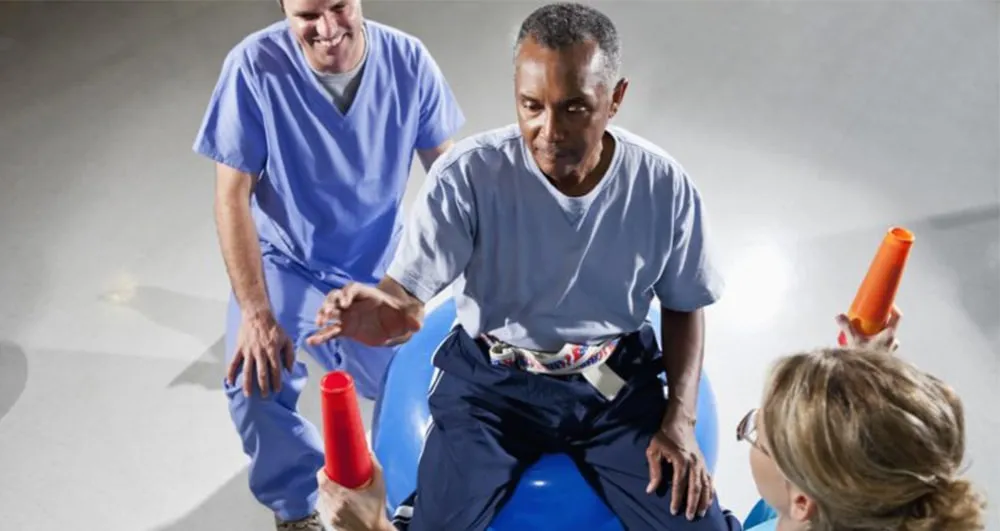
What is stroke rehabilitation?
A stroke happens when blood supply to part of the brain is blocked or when a blood vessel in the brain bursts. Brain cells in that area are damaged, which can affect movement, feeling, speech, thinking and balance. Many people have weakness or paralysis on one side of the body, called hemiplegia.
Stroke rehabilitation is the process of relearning skills and regaining independence after a stroke. Physiotherapy is a central part of it. Through repeated, focused practice, the brain can form new connections and take over some of the lost functions. This ability is called neuroplasticity.
Who needs stroke rehabilitation
- People who have had a stroke and have weakness, stiffness or balance problems
- People discharged from hospital who need to continue rehab at home
- People who had a stroke months or years ago and want to improve further
- Families who want guidance on how to care for and support a loved one after a stroke
Common signs that rehab can help
- Difficulty sitting, standing or walking without help
- One arm or leg feels weak, heavy or stiff
- The foot drags or catches while walking
- The shoulder on the weak side is painful
- Difficulty with daily tasks like eating, dressing and bathing
- Frequent falls or fear of falling
How I help
I build each plan around the person’s goals, such as walking to the bathroom alone, going outside, or eating with the affected hand.
- Task based practice: repeating real activities, like rolling in bed, sitting up, standing, walking and reaching
- Strength and stretching: for weak and tight muscles
- Balance training: to make sitting and standing safer
- Walking training: improving walking pattern, with the right aid if needed
- Arm and hand training: reaching, grasping and fine movements, often with simple household objects
- Shoulder care: correct positioning and support to protect the weak shoulder
- Family training: safe handling and how to help with exercises between sessions
Home visits are especially valuable after a stroke. I train the exact tasks the person needs in their own home, which makes progress more practical.
Your first session
I visit your home, read the hospital discharge summary, and ask about the stroke, medicines and daily routine. I check strength, muscle tone, sensation, balance, sitting, standing and walking. We set two or three clear goals together. I start treatment the same day and show the family how to support practice.
How many sessions you may need
Stroke rehab works best when it is regular and intensive, especially in the first months. Many people benefit from three to five sessions a week at first, with daily home practice. Later, sessions can reduce while the home programme continues. I review goals every few weeks and adjust the plan as the person improves.
See a doctor first if you have
- New face drooping, arm weakness or slurred speech, which may be another stroke (call 108)
- Sudden severe headache, confusion or loss of vision
- Painful, swollen calf or sudden breathlessness
In an emergency, call 108.
Frequently asked questions
How long does recovery take after a stroke?
Recovery is different for everyone. The fastest improvement usually happens in the first three to six months, but many people keep improving for a long time with regular practice.
Can physiotherapy help the arm and hand after a stroke?
Yes. Arm and hand recovery needs lots of focused practice of real tasks, such as reaching, gripping and releasing objects. I give you activities you can repeat many times each day.
How can family members help safely?
I teach family members safe ways to help with getting out of bed, standing and walking, so neither the patient nor the carer gets hurt. I also show how to encourage use of the weaker side during daily tasks.
Main treatment
Other treatments that may help
Health tips on this topic
Trusted sources used for this page
- Stroke rehabilitation in adults (NG236) , National Institute for Health and Care Excellence (NICE)
- Stroke: recovery , NHS
This page is general health information, not a diagnosis. Please see a doctor or physiotherapist for advice about your own condition. Read the medical disclaimer.