Condition
Knee Pain Physiotherapy in Ahmedabad

Written and reviewed by Dr. Meghna Oza, B.PT
Last reviewed 8 October 2026.
Knee pain is often caused by osteoarthritis, weak thigh muscles or overuse. Dr. Meghna Oza, a physiotherapist in Chandranagar, Ahmedabad, treats knee pain with strengthening exercise, joint mobilisation and daily life advice, which guidelines recommend as the first treatment for knee osteoarthritis.
Common symptoms
- Pain while climbing stairs or getting up from the floor
- Stiffness after sitting or in the morning
- Swelling around the knee
- Grinding or clicking when you bend the knee
- Knee feels weak or gives way
Ways to see me
- Practice visit
- Home visit
- Online consultation
Typical plan: 8 to 12 sessions over 4 to 8 weeks
Session: 45 to 60 minutes
What is knee pain?
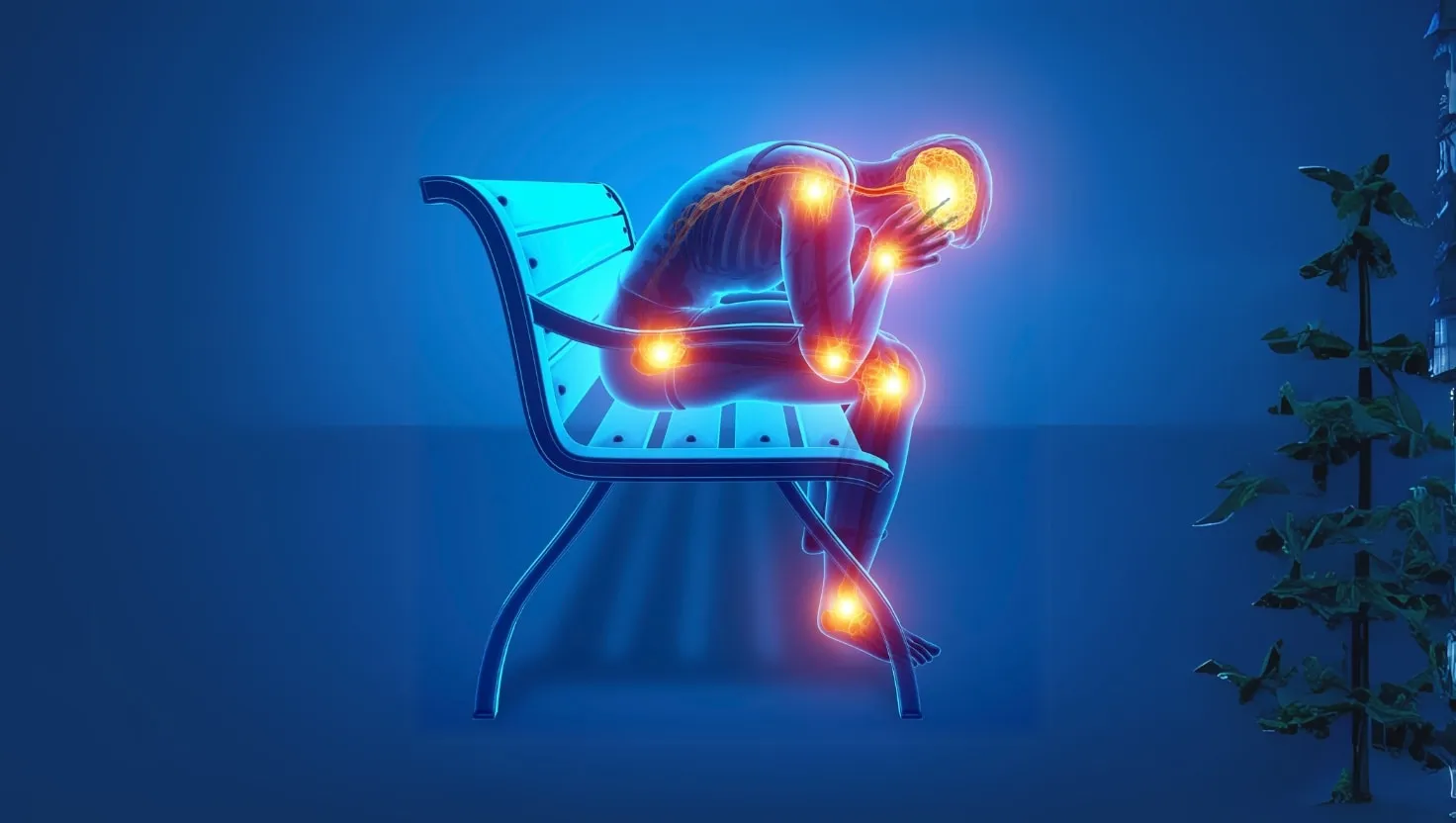
Knee pain is one of the most common joint problems, and it can make simple daily tasks hard: walking to the market, climbing stairs, getting up from the floor after prayer, or using an Indian style toilet.
In adults over 45, the most common cause is knee osteoarthritis, where the cartilage that cushions the knee joint slowly thins and the joint becomes stiff and painful. In younger people, knee pain is often caused by overuse, weak thigh and hip muscles, pain behind the kneecap or a sports injury such as a ligament or meniscus tear.
Whatever the cause, the muscles around the knee play a big role. Strong thigh and hip muscles take load off the joint and make it more stable. This is why exercise is the main treatment for most knee pain.
Who gets knee pain
- Women over 45, who are more likely to develop knee osteoarthritis
- People who are overweight, as extra weight increases the load on the knees
- People whose work involves a lot of standing, squatting or stairs
- Runners, cricketers, footballers and gym goers
- People who have had a past knee injury
- Older adults who have become less active
Common signs of knee pain
- Pain on stairs, especially going down
- Pain and stiffness when you stand up after sitting
- Swelling or a puffy feeling around the knee
- A grinding or crackling feeling when bending
- The knee feels weak or unstable
- You walk less or more slowly than before because of pain
How I help
- Thorough assessment: I check the knee, hip, ankle and the way you walk, sit and climb stairs.
- Strengthening: progressive exercises for the thigh (quadriceps), hamstrings and hip muscles. This is the most important part of treatment.
- Mobility: gentle exercises and joint mobilisation to improve bending and straightening.
- Pain relief: heat or cold, taping and TENS when they help you exercise more comfortably.
- Walking and stairs training: safe technique, the right walking aid if needed, and footwear advice.
- Daily life planning: how to manage household work, prayer, travel and social events without flare ups.
Your first session
Please bring any X-ray or doctor’s reports and wear shorts or loose trousers. I assess your knee and your movement, explain the cause in simple words, start treatment, and teach you three or four exercises to begin at home. For older patients, the first visit is often done at home.
How many sessions you may need
Knee osteoarthritis usually needs 8 to 12 sessions over 6 to 8 weeks, with daily home exercise. Strength takes time to build, so benefits grow over the weeks. Younger people with overuse pain often improve within 4 to 6 sessions. At the end, you will have a routine to keep your knees strong for life.
See a doctor first if you have
- A hot, red, very swollen knee, especially with fever
- Unable to put weight on the leg after a fall or twist
- Knee locked and cannot straighten
- Calf pain and swelling, which can be a sign of a blood clot
In an emergency, call 108.
Frequently asked questions
Can I sit cross legged or use an Indian toilet with knee pain?
Deep bending can increase knee pain in arthritis. During a painful phase, a chair, a low stool or a Western toilet seat can help. As your knee gets stronger, I help you work towards the positions that matter to you.
Do knee injections or supplements work?
These are decisions for your orthopaedic doctor. Whatever else you try, exercise remains the core treatment recommended for knee osteoarthritis, and it works alongside other treatments.
Will losing weight help my knee pain?
For people who are overweight, losing even a small amount of weight can reduce the load on the knees and help with pain. I can guide you on safe exercise that supports this.
Is knee pain in young people different?
Yes. In younger people, knee pain is more often from overuse, weak hip and thigh muscles, or a sports injury. The treatment focuses on strength, technique and a gradual return to activity.
Main treatment
Related conditions
- Knee and Hip Replacement Rehab Home physiotherapy after knee or hip replacement in Ahmedabad. Bending, walking, stairs and strength, following your surgeon's plan. By Dr. Meghna Oza.
- Sports Injuries Physiotherapy for ankle sprains, muscle strains, runner's knee, tennis elbow and ligament injuries in Chandranagar, Ahmedabad. Rehab and safe return to sport.
Other treatments that may help
- Geriatric Physiotherapy Home physiotherapy for older adults in Ahmedabad. Fall prevention, balance, arthritis, weakness and recovery after illness or surgery, with family guidance.
- Post Surgery Rehabilitation Rehabilitation after knee or hip replacement, fracture surgery, ligament repair and spine surgery. Home visit physiotherapy across Ahmedabad by Dr. Meghna.
Health tips on this topic
Trusted sources used for this page
- Knee pain , NHS
- Osteoarthritis in over 16s: diagnosis and management (NG226) , National Institute for Health and Care Excellence (NICE)
This page is general health information, not a diagnosis. Please see a doctor or physiotherapist for advice about your own condition. Read the medical disclaimer.