Treatment
Post Surgery Rehabilitation in Ahmedabad

Written and reviewed by Dr. Meghna Oza, B.PT
Last reviewed 8 October 2026.
Post surgery rehabilitation is physiotherapy that helps you recover strength, movement and confidence after an operation. Dr. Meghna Oza provides rehab after knee and hip replacement, fracture fixation, ligament repair and spine surgery, at her Chandranagar practice or at home anywhere in her Ahmedabad service area.
Ways to see me
- Practice visit
- Home visit
- Online consultation
- Session:
- 45 to 60 minutes
- Typical plan:
- 12 to 24 sessions over 6 to 12 weeks, depending on the surgery
Conditions I treat
- Total knee replacement
- Total hip replacement
- Fracture surgery with plates, rods or screws
- ACL and other ligament repair
- Shoulder surgery
- Spine surgery
- Recovery after a long hospital stay
What is post surgery rehabilitation?
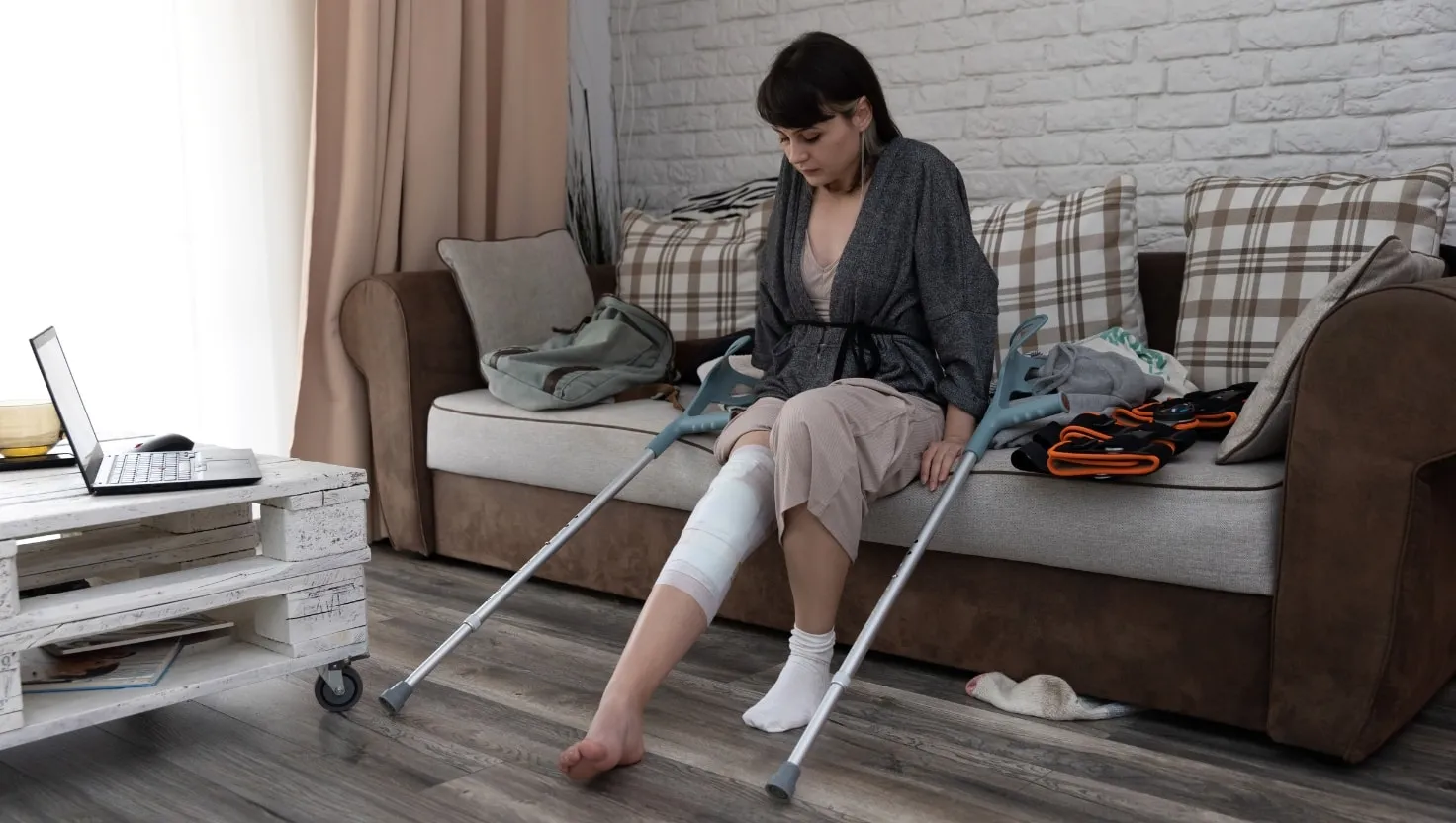
Post surgery rehabilitation, often called “post-op physio”, is the exercise and care that helps your body recover after an operation. Surgery fixes a problem inside the body, such as a worn knee joint or a broken bone. Rehabilitation is what helps you use that body part well again.
After surgery, muscles become weak quickly, joints get stiff, and many people feel nervous about moving. Without guided rehab, recovery can be slow and some people never regain full movement. With the right physiotherapy, most people return to walking, climbing stairs and daily work much sooner and with more confidence.
Who it helps
I provide rehabilitation for people who have had:
- Knee replacement, one or both knees
- Hip replacement or surgery for a hip fracture
- Fracture surgery, with plates, screws or nails in the arm, leg, wrist or ankle
- Ligament repair, such as ACL reconstruction after a sports injury
- Shoulder surgery, such as rotator cuff repair
- Spine surgery, such as disc or decompression surgery
- A long stay in hospital or ICU, which leaves the whole body weak
Many of my post surgery patients in Ahmedabad are older adults who prefer home visits in the first few weeks. Children and young adults also need careful rehab after fractures and surgery, and I adapt the plan for their age.
Common signs you may need it
- Your surgeon or hospital physiotherapist has advised you to continue physiotherapy at home
- Your joint is still stiff and does not bend or straighten as much as it should
- You need a walker or stick and want to walk on your own again
- You feel weak, unsteady or afraid of falling
- You are unsure which exercises are safe and how much to do
Contact your surgeon or hospital at once if the wound becomes red, hot or leaks fluid, if you develop a fever, if your calf becomes painful and swollen, or if you suddenly feel short of breath. These can be signs of infection or a blood clot.
How I help
I start by reading your discharge summary and your surgeon’s instructions, including any limits on bending or putting weight through the leg. Then I plan rehab in clear stages.
- Early stage. Reducing swelling and pain, gentle movement to prevent stiffness, breathing exercises, and safe ways to get in and out of bed, a chair and the toilet.
- Middle stage. Building muscle strength, increasing joint range, and walking practice, from walker to stick to walking on your own when it is safe.
- Late stage. Stairs, balance, longer walks, and getting back to work, household tasks, driving or sport, as your surgeon allows.
Throughout, I teach your family how to help without strain, and I check your home for simple safety changes, such as a chair with arms, a raised toilet seat, or removing loose rugs.
Your first session
The first session is usually a home visit. I will:
- Read your discharge summary and ask about your surgery and pain
- Look at your wound area, swelling and skin (without disturbing the dressing)
- Measure how much your joint bends and straightens, and test your strength
- Watch you move: bed, chair, standing and walking with your aid
- Start gentle exercises and teach you a short programme to do two or three times a day
How many sessions you may need
Recovery time depends on the surgery, your age, your health before the operation and how regularly you exercise. As a general guide:
- Knee replacement: most people need regular physiotherapy for 6 to 12 weeks. Many walk without a stick by about 6 weeks, and recovery continues for up to a year.
- Hip replacement: usually 6 to 8 weeks of regular rehab, with steady progress after that.
- Fracture surgery: depends on bone healing and your surgeon’s plan, often 4 to 12 weeks.
- Ligament repair: a staged programme that can last 6 to 9 months before return to sport.
I usually start with three sessions a week and reduce visits as you become more independent.
Frequently asked questions
When should physiotherapy start after surgery?
For many operations, such as knee and hip replacement, physiotherapy starts in the hospital within a day or two. After you go home, it should continue without a long gap. Always follow the instructions of your surgeon, and share them with me.
Can you come home after my knee replacement?
Yes. Home visits are often the best choice in the first weeks after a knee or hip replacement, when travel is hard. I work with what you have at home and teach your family how to help safely.
Is it normal to have pain during rehab exercises?
Some discomfort and stiffness is normal after surgery, and exercises may feel hard at first. Sharp, severe or increasing pain is not normal. I adjust your exercises to keep pain at a level you can manage, and I tell you when to contact your surgeon.
Do I need my surgeon's permission for physiotherapy?
Please share your discharge summary and any written instructions from your surgeon. Some operations have limits on movement or weight bearing for a few weeks. I follow those limits strictly and plan the rehab around them.
Conditions I treat with this
- Knee and Hip Replacement Rehab Home physiotherapy after knee or hip replacement in Ahmedabad. Bending, walking, stairs and strength, following your surgeon's plan. By Dr. Meghna Oza.
- Sports Injuries Physiotherapy for ankle sprains, muscle strains, runner's knee, tennis elbow and ligament injuries in Chandranagar, Ahmedabad. Rehab and safe return to sport.
Related treatments
- Joint Pain Physiotherapy Physiotherapy for knee, arthritis, shoulder and hip pain in Chandranagar, Ahmedabad. Exercise based care to ease pain and keep you walking. Home visits too.
- Geriatric Physiotherapy Home physiotherapy for older adults in Ahmedabad. Fall prevention, balance, arthritis, weakness and recovery after illness or surgery, with family guidance.
- Musculoskeletal Physiotherapy Physiotherapy for back pain, neck pain, shoulder pain, sciatica and sports injuries in Chandranagar, Ahmedabad. Practice, home and online sessions.
Trusted sources used for this page
- Recovery after knee replacement , NHS
- Recovery after hip replacement , NHS
- Rehabilitation fact sheet , World Health Organization
This page is general health information, not a diagnosis. Please see a doctor or physiotherapist for advice about your own condition. Read the medical disclaimer.