Condition
Sports Injury Physiotherapy in Ahmedabad

Written and reviewed by Dr. Meghna Oza, B.PT
Last reviewed 8 October 2026.
Sports injuries such as sprains, strains, tendon pain and ligament tears are common in runners, cricketers and gym goers. Dr. Meghna Oza, a physiotherapist and certified fitness trainer in Chandranagar, Ahmedabad, guides recovery from first aid to strength training and a safe return to sport.
Common symptoms
- Sudden pain during sport or exercise
- Swelling or bruising after a twist or fall
- Pain that builds up with running or training
- Reduced strength or movement in a joint
- A joint that feels unstable or gives way
Ways to see me
- Practice visit
- Home visit
- Online consultation
Typical plan: 4 to 12 sessions, depending on the injury
Session: 45 to 60 minutes
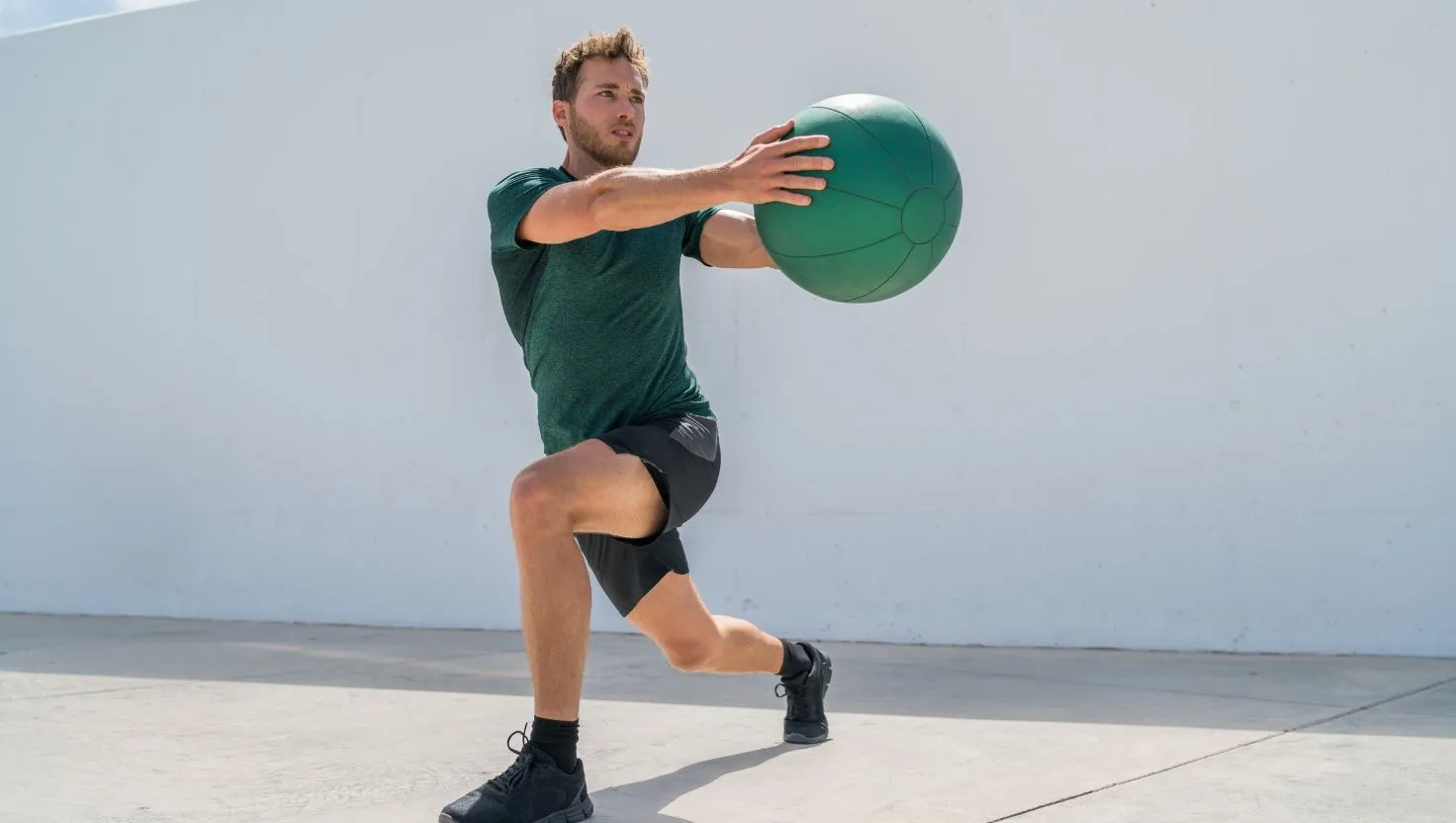
What are sports injuries?
Sports injuries are injuries that happen during sport, exercise or physical activity. They fall into two main types:
- Sudden (acute) injuries, such as a twisted ankle, a pulled hamstring, a knee ligament tear, or a fall onto the shoulder.
- Overuse injuries, which build up slowly from repeated strain, such as runner’s knee, shin pain, tennis elbow, shoulder tendon pain or heel pain.
With the right care, most sports injuries heal well. The key is to rest enough to allow healing, but not so much that the body loses strength, and then rebuild in stages before returning to full play.
Who gets sports injuries
- Runners and walkers training for events like marathons
- Cricketers, footballers and badminton players
- People who train at the gym or do CrossFit style workouts
- Children and teenagers in school sports
- Weekend players who are active only once or twice a week
- People who suddenly increase their training without building up slowly
As a certified fitness trainer as well as a physiotherapist, I understand both the injury and the training, so I can guide you back to your sport safely.
Common signs of a sports injury
- Sudden pain, a pop or a tearing feeling during activity
- Swelling, bruising or tenderness
- Pain that starts during training and gets worse each time
- Stiffness or weakness in a muscle or joint
- A joint that feels loose or unstable
How I help
- Early care: advice on rest, cold packs, compression and elevation in the first days, and checking whether a scan or doctor’s review is needed.
- Pain and swelling control: hands on therapy, taping and gentle movement.
- Rebuilding: progressive strength, flexibility and balance exercises specific to your injury and sport.
- Sport specific training: running drills, jumping, change of direction, throwing or swinging, built up step by step.
- Return to play testing: clear targets for strength and movement before you return fully.
- Prevention: warm up routines, training load advice, footwear and technique tips.
Your first session
Tell me how the injury happened, your sport, training routine and goals. I examine the injured area, test strength and stability, and check for any sign of a fracture or major tear that needs a doctor. Then I start treatment and give you a plan for the next few days.
How many sessions you may need
A mild sprain or strain may need 3 to 6 sessions. Tendon problems and more significant injuries can take 6 to 12 sessions over several weeks. Rehab after ligament surgery is a longer staged programme. I give you a clear timeline and adjust it based on how your body responds.
See a doctor first if you have
- Unable to put any weight on the leg after an injury
- A visible deformity or suspected broken bone
- Head injury with confusion, vomiting or loss of consciousness
- Severe swelling with numbness or a cold, pale foot or hand
In an emergency, call 108.
Frequently asked questions
Should I use ice or heat after a sports injury?
In the first two to three days after a sprain or strain, rest the area, use a cold pack wrapped in a cloth for up to 20 minutes every few hours, and keep it raised. Avoid heat for the first few days, as it can increase swelling.
When can I return to playing?
Return to sport depends on the injury and on meeting clear targets for strength, movement and confidence, not just on time passing. Returning too early is a common reason for injuries coming back.
Do you treat gym and running injuries?
Yes. As a physiotherapist and certified fitness trainer, I treat gym, running, cricket, badminton and football injuries, and I also check training habits and technique to prevent the injury from coming back.
Main treatment
Related conditions
- Knee Pain Knee pain and knee arthritis treatment with exercise and hands on physiotherapy in Chandranagar, Ahmedabad. Stair and walking practice, home visits for elders.
- Back Pain Lower back pain physiotherapy in Chandranagar, Ahmedabad. Find the cause, ease pain with hands on care and exercise, and stop it coming back. Home visits too.
Other treatments that may help
- Post Surgery Rehabilitation Rehabilitation after knee or hip replacement, fracture surgery, ligament repair and spine surgery. Home visit physiotherapy across Ahmedabad by Dr. Meghna.
- Pediatric Physiotherapy Child physiotherapy for delayed milestones, cerebral palsy, flat feet, posture problems and recovery after fractures or surgery. Play based care in Ahmedabad.
Health tips on this topic
Trusted sources used for this page
- Sports injuries , NHS
- Physical activity fact sheet , World Health Organization
This page is general health information, not a diagnosis. Please see a doctor or physiotherapist for advice about your own condition. Read the medical disclaimer.