Treatment
Women's Health Physiotherapy in Ahmedabad

Written and reviewed by Dr. Meghna Oza, B.PT
Last reviewed 8 October 2026.
Women's health physiotherapy supports women through pregnancy, after childbirth and around menopause. Dr. Meghna Oza, a woman physiotherapist in Chandranagar, Ahmedabad and a certified pre and postnatal fitness instructor, helps with back and pelvic pain, pelvic floor weakness, tummy muscle separation and safe return to exercise.
Ways to see me
- Practice visit
- Home visit
- Online consultation
- Session:
- 45 to 60 minutes
- Typical plan:
- 4 to 8 sessions, with a home exercise programme
Conditions I treat
- Back and pelvic girdle pain in pregnancy
- Recovery after normal delivery or caesarean section
- Pelvic floor weakness and bladder leakage
- Diastasis recti (tummy muscle separation)
- Posture and neck pain from feeding and carrying a baby
- Joint pain and bone health around menopause
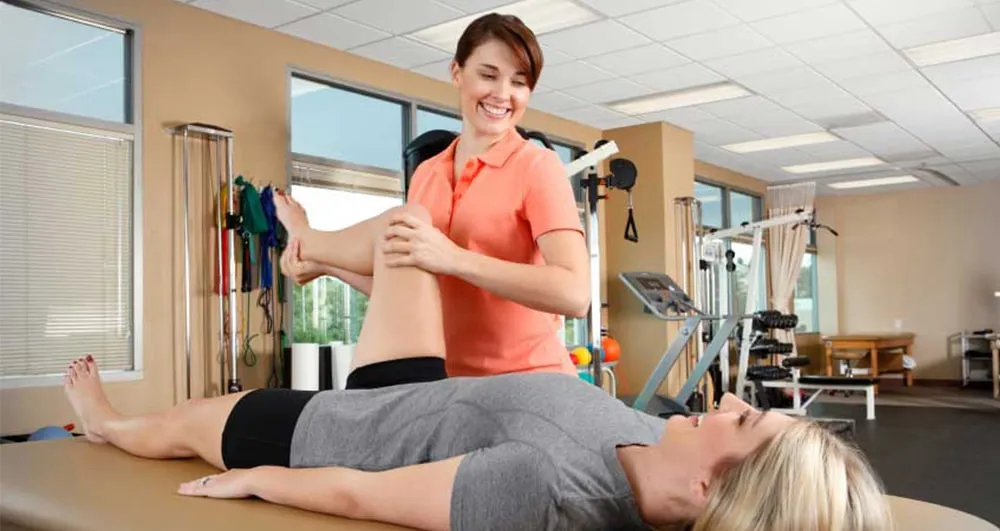
What is women’s health physiotherapy?
Women’s health physiotherapy is care for the physical changes and problems that women face at different stages of life, especially during pregnancy, after childbirth and around menopause. These changes affect the back, pelvis, tummy muscles, pelvic floor, joints and bones.
Many women accept back pain in pregnancy, bladder leakage after delivery or a weak tummy as “normal” and never seek help. These problems are common, but they are often treatable with the right exercise and advice. As a woman physiotherapist and a certified pre and postnatal fitness instructor, I understand these concerns and offer a comfortable, private space to talk about them.
Who it helps
- Pregnant women with back pain, pelvic pain, leg cramps or swelling, or who want to stay active safely
- New mothers after a normal delivery or a caesarean section who want to rebuild strength
- Women with bladder leakage when coughing, sneezing, laughing or lifting
- Women with diastasis recti, a gap between the tummy muscles that can cause a bulging belly or back pain
- Mothers with neck, shoulder and wrist pain from feeding and carrying a baby
- Women going through menopause, who notice joint pain, stiffness or want to protect their bones
Common signs you may need it
- Pain in the lower back, the back of the pelvis or the front of the pelvis during pregnancy
- Pain when turning in bed, climbing stairs or standing on one leg
- Leaking urine with coughing, sneezing or exercise
- A bulge or dome along the middle of the tummy when you sit up
- Feeling weak in the core months after delivery
- New joint pain or stiffness around menopause
Please see your gynaecologist promptly if you have bleeding, severe tummy pain, fluid leaking or reduced baby movements during pregnancy, or heavy bleeding or fever after delivery.
How I help
I begin with a gentle conversation about your health, pregnancy or delivery, and your goals. Then I tailor treatment to your stage of life.
- During pregnancy: safe exercises for each trimester, posture and lifting advice, support for back and pelvic pain, breathing and relaxation for labour preparation
- After delivery: pelvic floor training, gentle core rehabilitation, care for the caesarean scar area once healed, safe lifting and feeding positions
- Diastasis recti: a step by step core programme to improve tummy muscle strength and control
- Pelvic floor problems: clear teaching of how to find and strengthen the pelvic floor muscles, with a daily routine
- Menopause: strength and weight bearing exercise for bones and muscles, joint care and balance work
Treatment is always explained first, and you are in control of what happens in every session.
Your first session
We will talk in private about your concern, your pregnancy or birth history and your general health. I check posture, movement, the back and pelvis, and the tummy muscles. I explain what I find and teach you your first exercises, so you can start right away. If anything needs a doctor’s review, I will tell you.
How many sessions you may need
Most women need four to eight sessions spread over several weeks, along with daily home exercises. Pelvic floor training usually needs at least three months of regular practice to show its full benefit, as guidance from the NHS explains. I check your progress regularly and adjust the programme so it fits into your busy routine.
Frequently asked questions
Is it safe to exercise during pregnancy?
For most women with a healthy pregnancy, regular gentle exercise is safe and helpful. Always check with your gynaecologist first, especially if you have any complications. I adapt exercises for each trimester.
When can I start exercising after delivery?
Gentle pelvic floor and breathing exercises can usually start within days of a normal delivery. After a caesarean, wait for your doctor's advice. Most women can return to more active exercise after their six week check up, built up gradually.
Is bladder leakage after childbirth normal?
It is common, but you do not have to live with it. Pelvic floor muscle training is recommended as the first treatment for stress leakage, and many women improve with a guided programme.
Will I be treated by a woman physiotherapist?
Yes. I am a woman physiotherapist and I treat every patient myself, with full privacy and respect.
Conditions I treat with this
- Back Pain Lower back pain physiotherapy in Chandranagar, Ahmedabad. Find the cause, ease pain with hands on care and exercise, and stop it coming back. Home visits too.
- Neck Pain Physiotherapy for neck pain, stiffness, cervical spondylosis and pain from mobile or laptop use. Posture correction and exercise in Chandranagar, Ahmedabad.
Related treatments
- Musculoskeletal Physiotherapy Physiotherapy for back pain, neck pain, shoulder pain, sciatica and sports injuries in Chandranagar, Ahmedabad. Practice, home and online sessions.
- Meditation Based Healing Physiotherapy combined with breathing, relaxation and meditation for long term pain, stress, tension headaches and sleep. Holistic care by Dr. Meghna Oza.
- Joint Pain Physiotherapy Physiotherapy for knee, arthritis, shoulder and hip pain in Chandranagar, Ahmedabad. Exercise based care to ease pain and keep you walking. Home visits too.
Trusted sources used for this page
- Exercise in pregnancy , NHS
- Pelvic floor exercises , NHS
- Physical activity fact sheet , World Health Organization
This page is general health information, not a diagnosis. Please see a doctor or physiotherapist for advice about your own condition. Read the medical disclaimer.