Treatment
Geriatric Physiotherapy for Older Adults in Ahmedabad

Written and reviewed by Dr. Meghna Oza, B.PT
Last reviewed 8 October 2026.
Geriatric physiotherapy helps older adults stay strong, steady and independent. Dr. Meghna Oza provides elderly physiotherapy at home across Ahmedabad and at her Chandranagar practice, focusing on balance, strength, fall prevention, arthritis pain and recovery after illness or surgery.
Ways to see me
- Practice visit
- Home visit
- Session:
- 45 minutes
- Typical plan:
- 2 to 3 sessions a week for 4 to 8 weeks, then a home routine with review visits
Conditions I treat
- Fear of falling and frequent falls
- Poor balance and unsteady walking
- Arthritis and joint stiffness
- General weakness and low stamina
- Recovery after illness, hospital stay or surgery
- Osteoporosis (with your doctor's care)
- Back pain and stooped posture
What is geriatric physiotherapy?
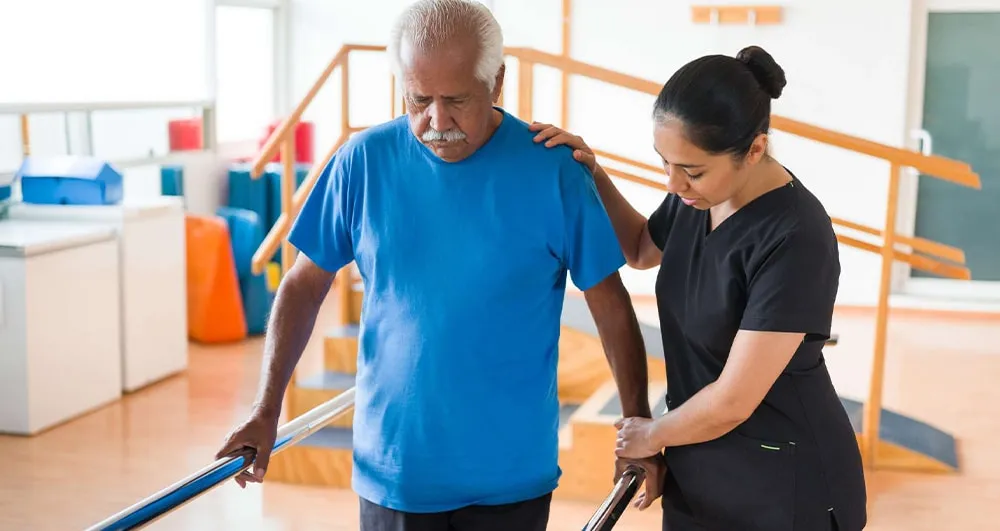
Geriatric physiotherapy is physiotherapy designed for older adults, usually people over 60. As we age, muscles naturally become weaker, joints stiffer and balance less reliable. Long periods of rest, illness or a hospital stay can speed up this loss. Geriatric physiotherapy slows and often reverses these changes, so older people can stay active, safe and independent for longer.
Falls are a serious concern. The World Health Organization reports that falls are a leading cause of injury in older people worldwide, and the risk increases with age. A fall can lead to a fracture, a long recovery and a loss of confidence. The good news is that regular strength and balance exercise can reduce the risk of falling.
Who it helps
I see many older adults in Chandranagar, Paldi, Vasna, Ambawadi and nearby areas who:
- Feel unsteady while walking or have already had a fall
- Hold on to furniture or walls when moving around the house
- Find it hard to stand up from a chair, the floor or the toilet
- Have knee or back pain from arthritis
- Feel weak after an illness, a hospital stay or surgery
- Have become less active and want to regain strength and stamina
- Have osteoporosis and want to keep bones and muscles strong
I also support families. Caring for an elderly parent can be worrying, and simple guidance on safe handling and daily routines can make life easier for everyone.
Common signs you may need it
- One or more falls in the past year, or a near fall
- Walking more slowly, taking shorter steps or shuffling
- Needing to push up with both hands to stand from a chair
- Avoiding stairs, outings or temple visits because of fear or pain
- Feeling tired after short walks
- Stiff, painful joints that limit daily activities
How I help
I start with a full assessment of strength, balance, walking, joint movement and daily tasks. I also ask about medicines, eyesight, other health conditions and the home setup, because all of these affect fall risk.
Then I build a programme that may include:
- Strength exercises for the legs and hips, so standing up and climbing stairs become easier
- Balance training, starting with support and slowly increasing the challenge
- Walking practice, and advice on choosing and using a stick or walker correctly
- Joint care for arthritis, including gentle mobility work and pain relief methods
- Breathing and stamina work to help with daily energy
- Home safety advice, such as lighting, bathroom grab bars, bed and chair height, and footwear
- Family guidance on how to help without risk of injury to the patient or carer
Exercises are always safe, simple and suited to the person’s health, including heart conditions, diabetes and blood pressure.
Your first session
Most first sessions are home visits. I spend time understanding the person’s routine, health history and goals. I test simple movements, such as standing from a chair, standing on one leg with support, and walking a short distance, which tell me a lot about strength and balance. I look at the home for fall risks. At the end, I start a few easy exercises and explain the plan to the person and the family.
How many sessions you may need
Research on fall prevention shows that strength and balance programmes work best when done regularly for at least three months. A common plan is two or three sessions a week for the first four to eight weeks, while the person also practises at home. After that, visits can reduce to weekly or monthly reviews, with a home routine that continues for life.
The aim is not just to finish treatment. It is to keep the person active, confident and independent every day.
Frequently asked questions
My father is 80. Is he too old for exercise?
No one is too old to benefit from the right exercise. Strength and balance can improve at any age. I choose safe exercises that suit your father's health, and start gently.
How can we prevent falls at home?
Strength and balance exercise is the most effective way to reduce falls. Simple home changes also help, such as good lighting at night, grab bars in the bathroom, removing loose rugs and wearing well fitting footwear. I check the home during visits and suggest changes.
Can physiotherapy help with osteoporosis?
Yes. Weight bearing and strengthening exercise helps keep bones and muscles strong, and balance training lowers the risk of falls and fractures. I work alongside the medicines and advice from your doctor.
Do you offer home physiotherapy for elderly patients?
Yes. Most of my older patients prefer home visits, especially when walking or travel is difficult. Treatment at home also lets me train real tasks, such as using your own stairs and bathroom safely.
Conditions I treat with this
- Knee Pain Knee pain and knee arthritis treatment with exercise and hands on physiotherapy in Chandranagar, Ahmedabad. Stair and walking practice, home visits for elders.
- Back Pain Lower back pain physiotherapy in Chandranagar, Ahmedabad. Find the cause, ease pain with hands on care and exercise, and stop it coming back. Home visits too.
- Knee and Hip Replacement Rehab Home physiotherapy after knee or hip replacement in Ahmedabad. Bending, walking, stairs and strength, following your surgeon's plan. By Dr. Meghna Oza.
Related treatments
- Joint Pain Physiotherapy Physiotherapy for knee, arthritis, shoulder and hip pain in Chandranagar, Ahmedabad. Exercise based care to ease pain and keep you walking. Home visits too.
- Neurological Physiotherapy Neurological physiotherapy for stroke, Parkinson's disease, nerve injury and balance problems. Home visit neuro rehab across Ahmedabad by Dr. Meghna Oza.
- Post Surgery Rehabilitation Rehabilitation after knee or hip replacement, fracture surgery, ligament repair and spine surgery. Home visit physiotherapy across Ahmedabad by Dr. Meghna.
Trusted sources used for this page
- Falls fact sheet , World Health Organization
- Ageing and health fact sheet , World Health Organization
- Falls: prevention , NHS
This page is general health information, not a diagnosis. Please see a doctor or physiotherapist for advice about your own condition. Read the medical disclaimer.