Condition
Physiotherapy After Knee or Hip Replacement in Ahmedabad

Written and reviewed by Dr. Meghna Oza, B.PT
Last reviewed 8 October 2026.
Physiotherapy after knee or hip replacement helps you bend and straighten the new joint, rebuild strength and walk confidently again. Dr. Meghna Oza provides home visit rehab across Ahmedabad, following your surgeon's instructions from the first week after discharge until you are walking independently.
Common symptoms
- Stiffness and difficulty bending the new knee
- Swelling around the operated joint
- Weak thigh and hip muscles
- Need for a walker or stick
- Difficulty with stairs, chairs and the toilet
Ways to see me
- Practice visit
- Home visit
Typical plan: 12 to 24 sessions over 6 to 12 weeks
Session: 45 to 60 minutes
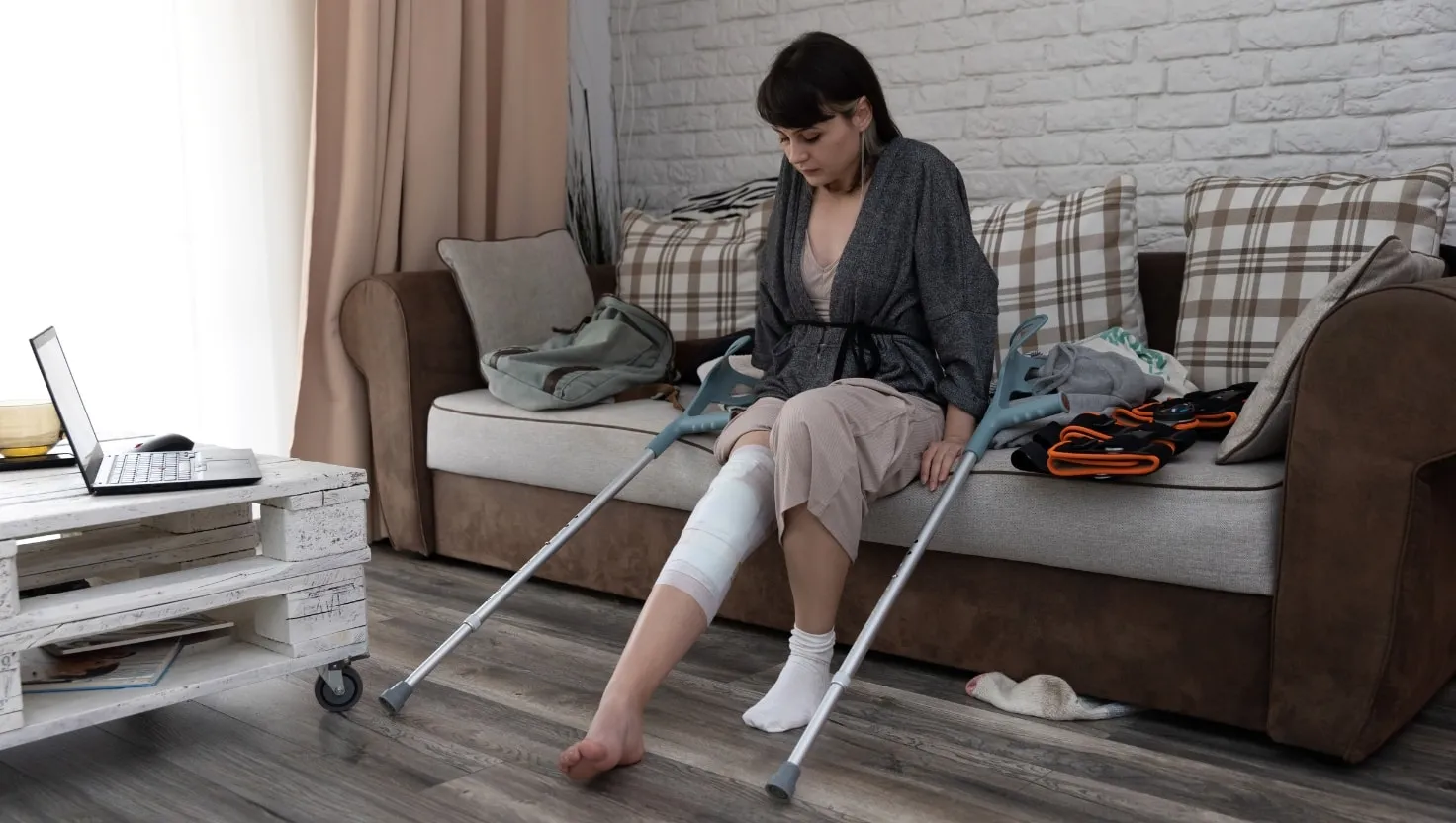
What is knee and hip replacement rehabilitation?
In a knee or hip replacement, the surgeon replaces a damaged joint with an artificial one. This is often done for severe arthritis when pain and stiffness have become difficult to manage. The new joint can relieve pain, but the muscles around it are usually weak and the joint is stiff after surgery.
Rehabilitation is the physiotherapy that helps you get the best result from your operation. It focuses on bending and straightening the new joint, rebuilding muscle strength, and returning to walking, stairs and daily activities. The work you do in the first weeks after surgery makes a big difference to your long term result.
Who needs this rehabilitation
- People who have had a total or partial knee replacement, on one or both knees
- People who have had a total hip replacement, or surgery for a hip fracture
- People who had surgery some time ago but still have stiffness, weakness or a limp
- People preparing for surgery, as getting stronger before the operation can help recovery afterwards
Common signs that rehab is needed
- The knee does not bend enough to sit comfortably or climb stairs
- The knee does not straighten fully
- Swelling that comes back after walking
- Walking with a limp or depending on a walker
- Fear of falling or of damaging the new joint
How I help
I start by reading your discharge summary and your surgeon’s instructions. Rehab moves through clear stages:
- Weeks 1 to 2: controlling swelling and pain, gentle bending and straightening, simple strengthening, and safe transfers in and out of bed, chair and toilet.
- Weeks 3 to 6: increasing bending, stronger exercises for thigh and hip muscles, walking with less support, and starting stairs.
- Weeks 6 to 12: walking without aids where safe, balance training, longer walks and returning to daily activities as your surgeon allows.
I also check your home setup, such as chair and toilet height, bed height and loose rugs, and teach family members how to help.
Your first session
The first visit is usually at home within the first week or two after discharge. I review your reports, check the wound area without disturbing the dressing, measure joint movement and strength, and watch you walk and move. I start gentle exercises and give you a clear daily routine.
How many sessions you may need
Most people need regular physiotherapy for 6 to 12 weeks. A common plan is three sessions a week at first, reducing as you become more independent. The NHS notes that recovery continues for many months, so continuing your home exercises after the sessions end is important.
See a doctor first if you have
- Wound becomes red, hot, swollen or leaks fluid
- Fever or chills after surgery
- Painful, swollen calf or sudden breathlessness, which can be a blood clot
- Sudden severe pain or the leg looks shortened or turned after a hip replacement
In an emergency, call 108.
Frequently asked questions
How much should my knee bend after a knee replacement?
Bending improves week by week. Many people reach about 90 degrees within the first few weeks, enough to sit in a chair and use stairs, and continue to improve after that. Your surgeon may give you specific targets, which I follow.
Are there movements to avoid after a hip replacement?
Depending on the surgical approach, your surgeon may ask you to avoid certain movements for a few weeks, such as bending the hip too far or crossing your legs. I follow your surgeon's precautions strictly and show you safe ways to move.
How soon can I walk without a walker?
Most people move from a walker to a stick within a few weeks, and many walk without an aid by around six weeks. This depends on your strength, balance and your surgeon's advice.
Main treatment
Related conditions
Other treatments that may help
- Joint Pain Physiotherapy Physiotherapy for knee, arthritis, shoulder and hip pain in Chandranagar, Ahmedabad. Exercise based care to ease pain and keep you walking. Home visits too.
- Geriatric Physiotherapy Home physiotherapy for older adults in Ahmedabad. Fall prevention, balance, arthritis, weakness and recovery after illness or surgery, with family guidance.
Health tips on this topic
Trusted sources used for this page
This page is general health information, not a diagnosis. Please see a doctor or physiotherapist for advice about your own condition. Read the medical disclaimer.