Health tip · 6 min read
Knee Replacement Recovery: A Week by Week Guide

Written and reviewed by Dr. Meghna Oza, B.PT
Published 7 October 2026. Last reviewed 8 October 2026.
Most people walk with a frame soon after knee replacement, move to a stick within a few weeks, and walk without an aid by around 6 weeks. Bending usually reaches about 90 degrees in the first weeks and improves further. Full recovery can take up to a year, and regular physiotherapy makes a big difference.
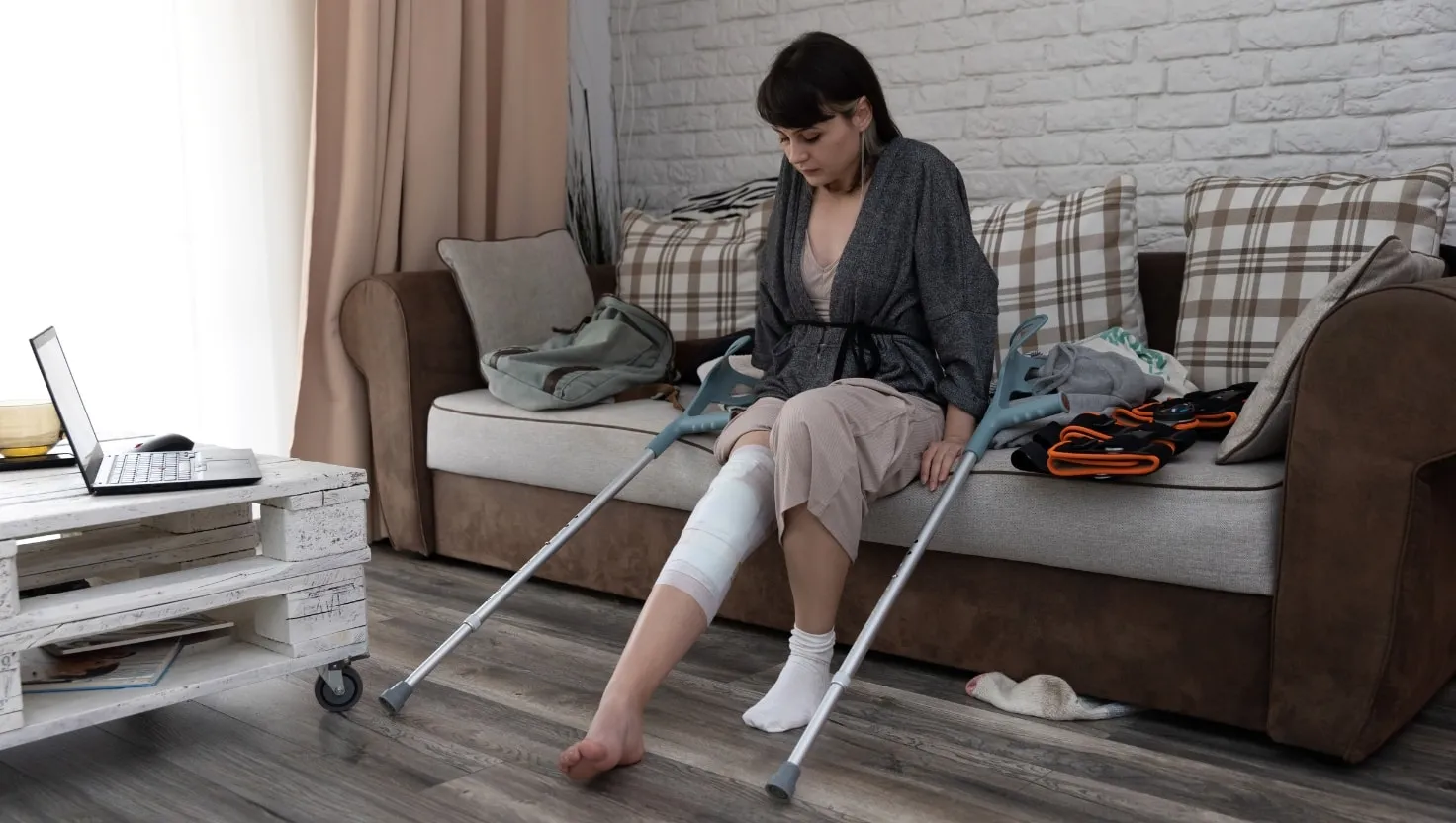
A knee replacement can relieve years of arthritis pain, but the operation is only half of the journey. The other half is rehabilitation. How well you recover depends a lot on the work you put in during the weeks after surgery.
In this guide I explain what most people can expect, week by week. Everyone recovers at a different speed, and your surgeon’s instructions always come first. Use this as a general map, not a strict timetable.
Before surgery: prepare your body and your home
If you have time before your operation, use it well.
- Strengthen your muscles. Exercises for the thigh and hip make recovery easier. This is sometimes called prehabilitation.
- Prepare your home. Clear walkways, remove loose rugs, put things you use often at waist height, and arrange a firm chair with arms. A raised toilet seat or Western toilet is very helpful.
- Plan support. Arrange for a family member to help, especially in the first two weeks.
- Book physiotherapy. Plan who will provide your rehab after discharge. Home visits are often easiest in the first weeks.
In hospital: days 1 to 3
Most hospitals start getting you up very soon after surgery, often on the same day or the next day. A hospital physiotherapist will help you:
- Stand and walk with a walking frame
- Start simple exercises such as ankle pumps, thigh tightening and gentle knee bending
- Get in and out of bed safely
- Practise a few steps on stairs if you have them at home
You go home when you are safe to move around with your walking aid and your pain is controlled.
Weeks 1 to 2: protect, move and reduce swelling
What it feels like: the knee is swollen, stiff and sore. You tire quickly. This is normal.
Goals:
- Walk around the house with your frame or crutches
- Bend the knee to around 70 to 90 degrees
- Straighten the knee as fully as possible
- Keep swelling under control
What helps:
- Do your exercises two to three times a day, little and often
- Take pain medicines as prescribed, about 30 to 45 minutes before exercise
- Use a cold pack wrapped in a cloth for 15 to 20 minutes after exercise
- Raise your leg when resting, with the heel supported and the knee straight
- Do not place a pillow under the knee for long periods. It can make it harder to straighten the knee later.
Weeks 3 to 6: build strength and confidence
What it feels like: pain and swelling reduce, and you can do more. Some stiffness remains, especially in the morning.
Goals:
- Bend the knee to 90 degrees or more, enough to sit comfortably and use stairs
- Move from a frame to crutches or a walking stick
- Walk short distances outdoors
- Climb stairs one step at a time with the rail
What helps:
- Strengthening exercises: straight leg raises, sit to stand, step ups and mini squats
- Walking a little further each day
- Regular physiotherapy sessions to progress your exercises safely
The NHS notes that many people can stop using walking aids around 6 weeks after surgery.
Weeks 6 to 12: return to daily life
What it feels like: you feel much more like yourself. The knee may still swell after a busy day and may feel warm for some months. This is common.
Goals:
- Walk without an aid, with a more normal pattern
- Climb stairs more normally
- Return to most daily activities, light household work and, if your job allows, work
- Many people return to driving around 6 to 8 weeks, with their surgeon’s approval
What helps:
- Balance exercises, such as standing on one leg near a counter
- Longer walks and gentle cycling on a stationary bike if available
- Continuing your strength exercises at home
3 months to 1 year: continued improvement
Recovery does not stop at 3 months. Strength, stamina and comfort continue to improve, and many people feel the full benefit of their new knee between 6 months and 1 year after surgery.
Low impact activities such as walking, swimming and cycling are usually encouraged. High impact sports like running and jumping are often discouraged. Ask your surgeon what is suitable for you.
The most important exercises
Your physiotherapist will give you a personal plan, but most programmes include:
- Ankle pumps to help circulation
- Quadriceps sets to wake up the thigh muscle
- Heel slides to improve bending
- Knee straightening stretch with the heel on a rolled towel
- Straight leg raises for thigh strength
- Sit to stand from a firm chair
- Step ups once you are steady
Common mistakes to avoid
- Skipping exercises because of pain, which leads to stiffness that is harder to fix later
- Doing far too much on a good day, then struggling for days afterwards
- Keeping a pillow under the knee
- Stopping exercises as soon as you can walk
- Ignoring signs of infection or a blood clot
Tips for sleeping, sitting and daily life
- Sleeping: many people sleep most comfortably on their back. If you sleep on your side, place a pillow between your knees. Follow any position advice from your surgeon.
- Sitting: choose a firm chair with armrests, at a height where your hips are slightly higher than your knees. Avoid low sofas and floor sitting in the early weeks.
- Toilet: a Western toilet or a raised toilet seat makes things much easier and safer.
- Bathing: keep the wound dry as instructed until your surgeon says it can get wet. Use a stool and non slip mat.
- Travel: as a passenger, push the seat back for more legroom, and take breaks on long journeys to walk and move your ankles.
- Household work: return to light tasks gradually. Avoid kneeling and heavy lifting until your surgeon advises otherwise.
When to see a physiotherapist
Regular physiotherapy after knee replacement is strongly recommended. Book or continue sessions if:
- You have just come home from hospital
- Your knee is not bending or straightening as much as expected
- You still need a walking aid after 6 weeks
- You feel unsteady or afraid of falling
- You are unsure how much exercise is safe
Warning signs that need a doctor
Contact your surgeon or hospital straight away if you notice:
- The wound becomes red, hot, swollen, or leaks fluid
- A fever or chills
- A painful, swollen calf, which may be a blood clot
- Sudden shortness of breath or chest pain, which needs emergency care (call 108)
- Sudden severe pain or a sudden loss of movement
Staying motivated
Recovery can feel slow at times. Keep a simple record of how far your knee bends and how far you walk each week, so you can see your progress clearly.
Key points to remember
- Recovery after knee replacement takes months, with the biggest changes in the first 12 weeks.
- Regular exercise, good pain control and swelling management are the keys to success.
- Most people move from a walker to walking without an aid over several weeks.
- Watch for signs of infection or a blood clot and act on them quickly.
The bottom line
Knee replacement recovery is a steady journey of weeks and months. Regular exercise, good pain control and patience are the keys to success. If you live in Ahmedabad, I can provide home visit physiotherapy from the first week after discharge, following your surgeon’s instructions closely, until you are walking confidently again.
Frequently asked questions
How painful is recovery after knee replacement?
Pain and swelling are expected in the first weeks and usually improve steadily. Take the pain medicines your surgeon prescribes, especially before exercise, and use cold packs as advised. Tell your doctor if pain is getting worse instead of better.
When can I climb stairs after knee replacement?
Many people practise stairs with support within the first one to two weeks, often before leaving hospital. Use the rail and follow the "up with the good, down with the operated leg" rule.
When can I sit cross legged or squat after knee replacement?
Deep bending positions are not always possible after knee replacement and may not be advised. Ask your surgeon what positions are safe for your type of implant.
When can I drive again?
Many people return to driving around 6 to 8 weeks after surgery, when they can control the car safely. Always check with your surgeon first.
How I can help
Related conditions
Read next
- Physiotherapy or Surgery for Knee Pain: What Should You Try First? Should you have knee surgery or try physiotherapy first? An Ahmedabad physiotherapist explains what guidelines say, who needs surgery and how to decide.
- Home Visit Physiotherapy in Ahmedabad: How It Works Who home physiotherapy is for, what happens at a home visit, which areas of Ahmedabad are covered and how to prepare. A clear guide from Dr. Meghna Oza.
- 8 Safe Exercises for Knee Pain You Can Do at Home Eight simple, safe exercises for knee pain and knee arthritis that you can do at home, explained by an Ahmedabad physiotherapist with 10+ years of experience.
Trusted sources used for this page
- Recovery after knee replacement , NHS
- Knee replacement , NHS
This page is general health information, not a diagnosis. Please see a doctor or physiotherapist for advice about your own condition. Read the medical disclaimer.