Treatment
Neurological Physiotherapy and Rehabilitation in Ahmedabad

Written and reviewed by Dr. Meghna Oza, B.PT
Last reviewed 8 October 2026.
Neurological physiotherapy helps people with conditions of the brain, spinal cord and nerves, such as stroke, Parkinson's disease and nerve injuries, to improve movement, balance and independence. Dr. Meghna Oza offers neuro rehabilitation at home across Ahmedabad and at her practice in Chandranagar.
Ways to see me
- Practice visit
- Home visit
- Online consultation
- Session:
- 45 to 60 minutes
- Typical plan:
- Regular sessions over 2 to 6 months or more, reviewed every few weeks
Conditions I treat
- Stroke (paralysis or weakness on one side)
- Parkinson's disease
- Bell's palsy (facial weakness)
- Peripheral nerve injury
- Spinal cord problems
- Balance and walking problems
- Weakness after a head injury
What is neurological physiotherapy?
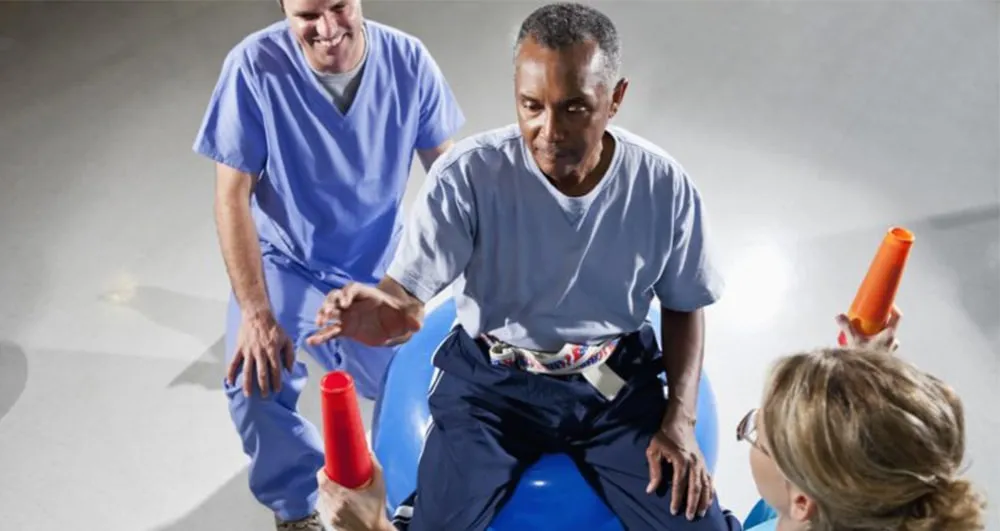
Neurological physiotherapy, often called “neuro physio”, is treatment for people whose movement has been affected by a problem in the brain, spinal cord or nerves. These problems can cause weakness, stiffness, poor balance, shaking, loss of feeling, or difficulty walking and using the hands.
The brain has a remarkable ability to learn and reorganise itself. Doctors call this neuroplasticity. Through repeated, focused practice of real tasks, the brain can build new pathways and the body can regain skills. Neurological physiotherapy uses this ability to help people become as active and independent as possible.
Who it helps
I work with people of all ages who have:
- Stroke, with weakness or paralysis on one side of the body (hemiplegia)
- Parkinson’s disease, with slow movement, stiffness, small steps or freezing
- Bell’s palsy, with weakness of one side of the face
- Peripheral nerve injuries, such as foot drop or weakness in the hand
- Spinal cord problems that affect walking or balance
- Head injury after an accident
- Balance problems and frequent falls due to nerve damage, for example from diabetes
Many neuro patients find travel difficult, so home visits are a large part of this work. Being at home also lets me train the real tasks that matter, such as getting out of your own bed, walking to your own bathroom and climbing your own stairs.
Common signs you may need it
- Weakness or heaviness in an arm or leg after a stroke or injury
- Difficulty standing up, walking or keeping your balance
- Stiff or tight muscles that pull a hand or foot into an awkward position
- Small, shuffling steps or feeling “stuck” while walking
- Falls, or a fear of falling
- Difficulty using one hand for eating, dressing or writing
If someone suddenly develops a drooping face, arm weakness or slurred speech, this may be a stroke. Call 108 at once. Fast treatment in hospital saves brain function.
How I help
Neuro rehabilitation is a team effort between the patient, the family, the doctors and me. I start by understanding what the person could do before, what they can do now, and what they most want to get back to.
Treatment may include:
- Task practice: repeated practice of real activities like sitting up, standing, walking and reaching
- Strength and stretching: to build power in weak muscles and reduce stiffness in tight ones
- Balance training: in sitting and standing, to improve stability and reduce falls
- Walking training: with or without aids, and advice on the right walking stick or walker
- Arm and hand training: to improve grip, reaching and fine movements
- Positioning advice: how to sit and lie to prevent stiffness, pain and pressure sores
- Family training: safe ways to help with moving, so the carer does not get hurt either
For Parkinson’s disease, I also use simple cues, such as counting, music or lines on the floor, which can help with walking and freezing.
Your first session
The first session is usually at home and takes about an hour. I ask about the diagnosis, medicines, hospital reports and daily routine. I then check muscle strength, tone, sensation, balance, sitting, standing and walking. Together we set two or three clear goals, such as walking to the gate with a stick, or eating with the affected hand. I start treatment the same day and show the family how to support practice between sessions.
How many sessions you may need
Neurological recovery takes time. The number of sessions depends on the condition, how severe it is, and how soon rehab began. For stroke, the fastest gains usually happen in the first three to six months, so regular sessions, often three to five a week at first, are important in this period.
For long term conditions like Parkinson’s disease, a block of regular sessions followed by a home programme and review visits every few weeks works well. I review goals regularly and share honest feedback about progress.
Frequently asked questions
How soon after a stroke should physiotherapy start?
Rehabilitation usually starts in hospital as soon as the doctors say it is safe. It should continue after you go home. Much of the recovery happens in the first few months, so starting early and staying regular makes a real difference.
Can physiotherapy help years after a stroke?
Yes, many people still improve their walking, balance and arm use with focused practice even years later. Progress may be slower, so we set small, realistic goals that matter to daily life.
What can family members do to help?
Family support is very important. I teach family members how to help with exercises, safe transfers and walking, and how to encourage the patient to use the weaker side in daily tasks.
Do you treat Parkinson's disease?
Yes. Physiotherapy for Parkinson's focuses on walking, balance, posture, flexibility and reducing the risk of falls. It works alongside the medicines prescribed by your neurologist.
Conditions I treat with this
Related treatments
- Geriatric Physiotherapy Home physiotherapy for older adults in Ahmedabad. Fall prevention, balance, arthritis, weakness and recovery after illness or surgery, with family guidance.
- Pediatric Physiotherapy Child physiotherapy for delayed milestones, cerebral palsy, flat feet, posture problems and recovery after fractures or surgery. Play based care in Ahmedabad.
- Cardiopulmonary Physiotherapy Breathing exercises and stamina training for COPD, asthma, recovery after COVID or pneumonia, and after heart events, with your doctor's advice. Home visits.
Trusted sources used for this page
- Stroke rehabilitation in adults (NG236) , National Institute for Health and Care Excellence (NICE)
- Stroke: recovery , NHS
- Parkinson's disease: treatment , NHS
This page is general health information, not a diagnosis. Please see a doctor or physiotherapist for advice about your own condition. Read the medical disclaimer.