Health tip · 6 min read
Physiotherapy After a Fracture: Getting Moving Again

Written and reviewed by Dr. Meghna Oza, B.PT
Published 7 October 2026. Last reviewed 8 October 2026.
After a fracture heals, the nearby joints are often stiff and the muscles weak. Physiotherapy helps restore movement, strength, balance and confidence, following your orthopaedic doctor's advice on how much weight the bone can take. Most people need several weeks of guided exercise after a cast is removed or after surgery.
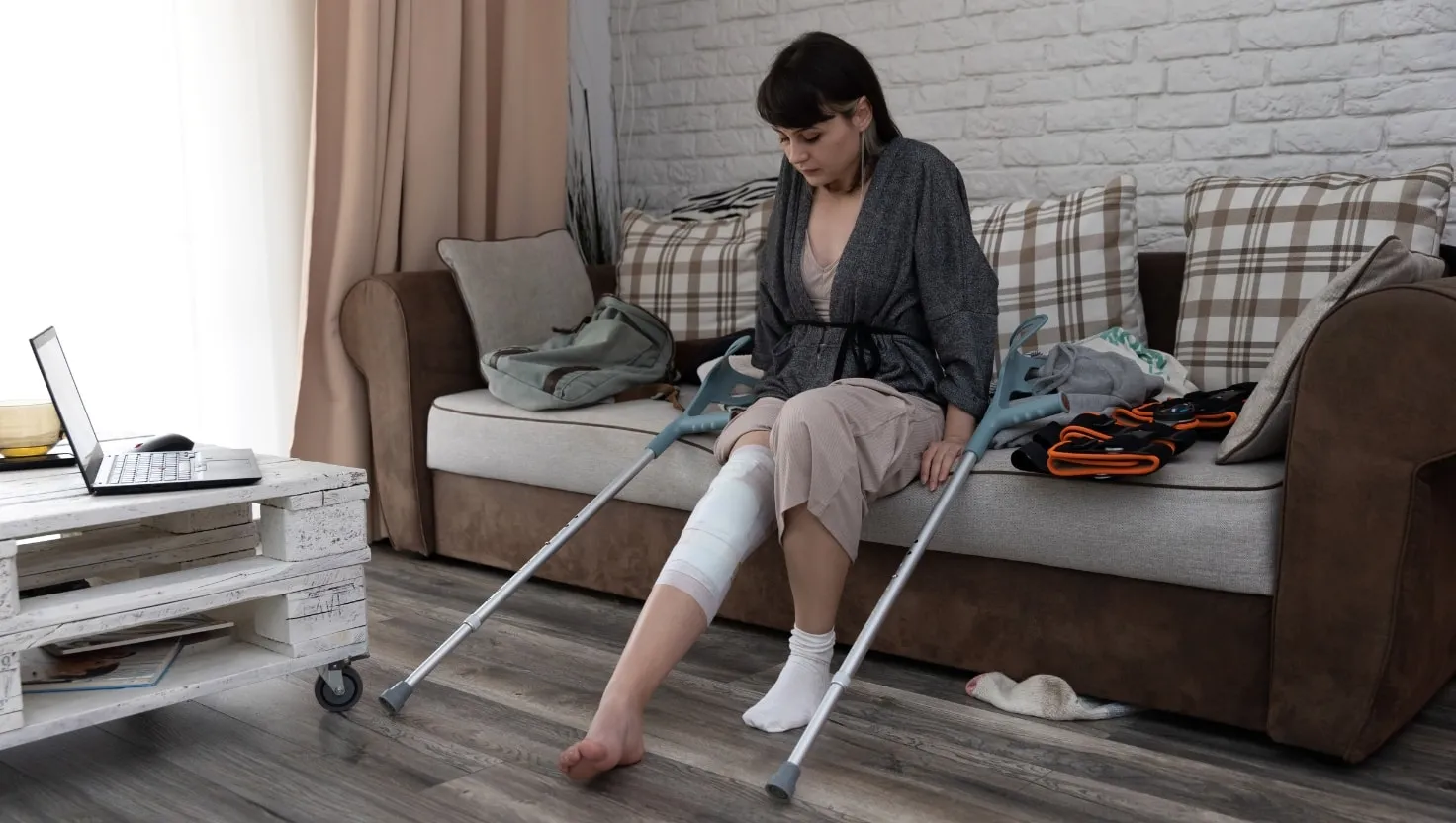
A broken bone, or fracture, is one of the most common injuries at every age. Children fall from cycles and trees, adults slip in the bathroom or have road accidents, and older adults with weaker bones can fracture a wrist or hip after a simple fall.
Your orthopaedic doctor treats the fracture itself, with a plaster cast, a splint or surgery with plates, screws or rods. But once the bone is healing, there is often a second problem: stiff joints, weak muscles, swelling and a loss of confidence. This is where physiotherapy helps.
How bones heal
Bone healing happens in stages. First a blood clot forms around the break, then soft new bone tissue grows, which slowly hardens over weeks. Many fractures in adults heal enough within about 6 to 12 weeks, but this depends on:
- Which bone is broken and how badly
- Your age (children heal faster)
- Your general health, including diabetes and smoking
- Whether the fracture needed surgery
Bones continue to strengthen and remodel for months after they have “healed”.
Why do you need physiotherapy?
While a bone heals, the limb is often kept still in a cast or protected from weight. Even a few weeks of not moving causes:
- Stiff joints, such as a wrist that will not bend or a knee that will not straighten
- Weak, wasted muscles
- Swelling, especially at the end of the day
- Reduced balance, particularly after leg fractures
- Fear of using the limb or putting weight on it
Physiotherapy addresses all of these, so you can return to normal life safely.
Weight bearing: follow your doctor’s instructions
After a leg fracture, your doctor will tell you how much weight you can put through the leg. Common instructions include:
- Non weight bearing: no weight at all on the leg
- Toe touch or partial weight bearing: a little weight, as instructed
- Weight bearing as tolerated: as much as is comfortable
Always follow these instructions carefully. Your physiotherapist will teach you how to walk safely with crutches or a walker within your limits.
Physiotherapy at each stage
While the bone is protected
Even while in a cast or soon after surgery, you can usually:
- Move the joints that are free, such as fingers after a wrist fracture or toes after an ankle fracture
- Keep other parts of the body strong
- Raise the limb to control swelling
- Learn to use crutches or a walker safely
After the cast is removed or the bone is stable
This is usually when the main rehab begins:
- Range of motion exercises to restore joint movement
- Hands on therapy to ease stiffness
- Swelling control, with elevation, movement and sometimes compression
- Gentle strengthening, building up over weeks
Return to full activity
- Progressive strengthening with bands, weights or body weight
- Balance training, especially after leg and ankle fractures
- Functional practice, such as stairs, squatting, lifting and gripping
- Return to work or sport, step by step
Common fractures and what rehab involves
Wrist fracture
Very common after a fall onto an outstretched hand. After the cast comes off, the wrist and fingers are often stiff and grip is weak. Exercises focus on bending and straightening the wrist, turning the palm up and down, and grip strength.
Ankle fracture
Rehab focuses on ankle movement, calf strength, walking pattern and balance, so you can walk without a limp and reduce the risk of future sprains.
Hip fracture in older adults
Hip fractures usually need surgery. Rehab focuses on getting up and walking again as soon as safely possible, strength, balance and fall prevention. Home visits are often very helpful.
Shoulder and upper arm fractures
Rehab starts with gentle, supported movements and builds to full shoulder movement and strength, following your surgeon’s plan.
Simple tips for recovery at home
- Follow your exercises little and often, several times a day
- Raise the limb when resting to reduce swelling
- Do not force painful movements. Gentle and regular works best.
- Eat well, with enough protein, calcium and vitamin D, to support bone healing
- Avoid smoking, which slows bone healing
- Use your walking aid until your physiotherapist says it is safe to stop
Bone health after a fracture
If you are over 50 and broke a bone after a simple fall, ask your doctor whether you should be checked for osteoporosis. Treating weak bones and improving strength and balance can help prevent future fractures.
How a physiotherapist helps
I start by reviewing your X-rays, discharge summary and your doctor’s instructions, especially any weight bearing limits. I check joint movement, strength, swelling and how you walk or use the limb. Then I create a staged programme, progress it at each visit, and keep you within safe limits. For older adults or anyone who finds travel difficult, I can provide treatment at home.
Tips for a smooth recovery
- Keep moving what you can. Even while one part is in a cast, keep the rest of your body active within your doctor’s advice.
- Be patient with stiffness. It often takes a few weeks of regular exercise for movement to return after a cast is removed.
- Use heat before exercise if your doctor agrees, to make stiff joints feel looser.
- Track your progress with simple tests, such as how far you can bend your wrist or how long you can stand on the injured leg.
- Return to activities gradually. Start with lighter tasks and shorter periods, and build up over weeks.
- Ask before driving or riding a two wheeler. You must be able to control the vehicle safely and react quickly.
When to see a physiotherapist
Book an assessment if:
- Your cast or splint has just been removed and the joint is stiff
- You have had surgery for a fracture
- You are not sure which exercises are safe
- You are still limping or using crutches longer than expected
- You want to return to sport or work safely
Warning signs that need a doctor
Contact your doctor promptly if you notice:
- Increasing pain, or pain that is not improving with time
- New deformity, or the limb looks different
- Redness, heat, discharge or fever, especially around a surgical wound
- Numbness, tingling, or a pale, cold hand or foot
- A painful, swollen calf, or sudden breathlessness (seek urgent care)
- A plaster cast that feels too tight, with severe pain or numbness (seek urgent care)
Children and fractures
Children’s bones usually heal faster than adults’ bones, and many children regain movement quickly once a cast is removed. Some still need guidance to regain full strength and confidence, especially before returning to sport. Follow your child’s orthopaedic doctor’s advice on when activities are safe.
Getting back your confidence
After a fracture, many people feel nervous about using the limb again, especially after a fall. Building up activities step by step, with clear guidance, helps confidence return along with strength.
Key points to remember
- Stiff joints and weak muscles are normal after a fracture and usually improve with exercise.
- Always follow your doctor’s weight bearing instructions.
- Rehab moves in stages, from gentle movement to strength, balance and full activity.
- People over 50 who break a bone after a simple fall should ask about bone health checks.
The bottom line
Healing the bone is only part of recovering from a fracture. Guided physiotherapy helps you regain movement, strength and confidence, so you can return to normal life safely. If you are in Ahmedabad, I can help at my Chandranagar practice or with home visits.
Frequently asked questions
Why is my wrist so stiff after the plaster was removed?
Joints that are kept still for weeks become stiff, and muscles become weak. This is normal. Gentle exercises and physiotherapy usually help movement return over the following weeks.
Is swelling normal after a cast comes off?
Yes, some swelling is common, especially at the end of the day. Raising the limb, gentle movement and compression if advised can help.
Can I exercise if I have metal plates or screws?
Yes, as advised by your surgeon. Plates and screws hold the bone in place while it heals. Your surgeon will tell you how much load the bone can take, and your physiotherapist will plan exercises within those limits.
How long does it take to recover after a fracture?
Bones typically take around 6 to 12 weeks to heal, depending on the bone and your age and health. Full recovery of strength and movement often takes longer.
How I can help
Related conditions
Read next
- Knee Replacement Recovery: A Week by Week Guide What to expect after total knee replacement, week by week, with physiotherapy goals for bending, walking and stairs. From an Ahmedabad physiotherapist.
- Home Visit Physiotherapy in Ahmedabad: How It Works Who home physiotherapy is for, what happens at a home visit, which areas of Ahmedabad are covered and how to prepare. A clear guide from Dr. Meghna Oza.
- How to Prevent Falls in Older Adults: Exercises and Home Safety Tips Practical fall prevention for elderly parents: balance and strength exercises, home safety checks and when to get help. From an Ahmedabad physiotherapist.
Trusted sources used for this page
- Broken arm or wrist , NHS
- Rehabilitation fact sheet , World Health Organization
This page is general health information, not a diagnosis. Please see a doctor or physiotherapist for advice about your own condition. Read the medical disclaimer.