Health tip · 6 min read
Your First Physiotherapy Session: What to Expect

Written and reviewed by Dr. Meghna Oza, B.PT
Published 7 October 2026. Last reviewed 8 October 2026.
A first physiotherapy session usually lasts 45 to 60 minutes. The physiotherapist asks about your problem and health, examines how you move, explains the likely cause, starts treatment and gives you a few home exercises. Wear loose clothes and bring any reports, scans and a list of your medicines.
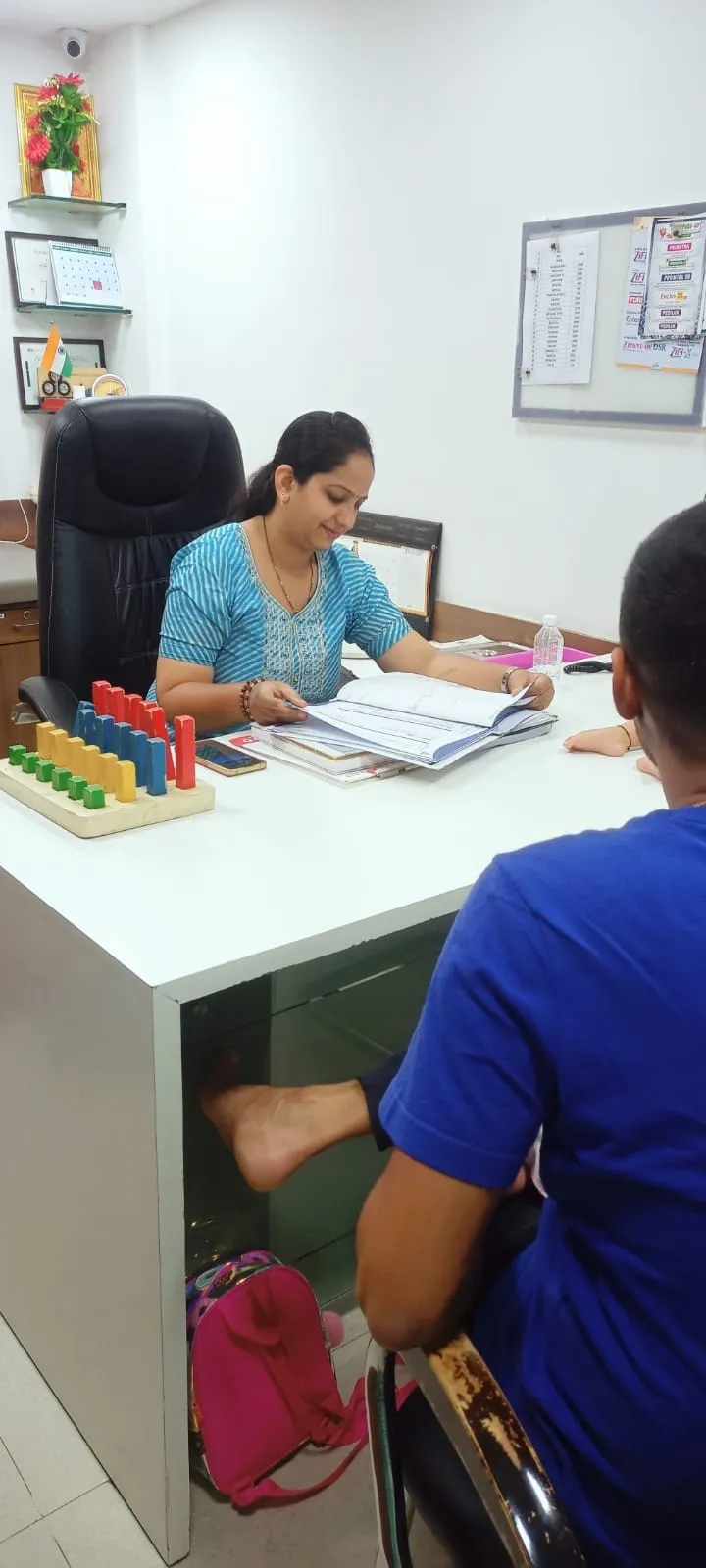
If you have never seen a physiotherapist before, it is natural to wonder what will happen. Will it hurt? What should I wear? How many sessions will I need?
Knowing what to expect can help you feel relaxed and get the most from your visit. Here is how a typical first session works in my practice in Chandranagar, Ahmedabad, and in my home visits and online consultations.
Before your appointment
What to bring
- Any doctor’s prescriptions or referral notes
- X-rays, MRI or CT reports, and the images if you have them
- Blood test reports, if relevant
- A list of your medicines
- For surgery patients, your discharge summary and surgeon’s instructions
- Your glasses if you need them to read exercise sheets
What to wear
Wear loose, comfortable clothes that allow me to see and move the painful area:
- Knee, hip or ankle problems: shorts or loose track pants that can be rolled up
- Back problems: a T shirt and track pants
- Shoulder or neck problems: a sleeveless top or loose T shirt
- Comfortable footwear, especially if we will look at your walking
Think about your answers
It helps to think about these questions before you come:
- When did the problem start? Was there an injury?
- What makes it better or worse?
- Is it worse at any time of day or night?
- What activities are hardest for you now?
- What would you most like to get back to?
During your first session
A first session usually lasts 45 to 60 minutes. It has four main parts.
1. Talking: understanding your story
I ask about your problem, your general health, past injuries or surgeries, medicines, work and daily routine. I also ask what you want to achieve, such as walking to the temple without pain, playing with your grandchildren, returning to cricket or sitting through a work day comfortably.
This conversation is very important. It helps me understand the likely cause and also check for any warning signs that need a doctor’s attention.
2. Examination: checking how you move
Depending on your problem, I may:
- Watch how you stand, sit, walk, bend or reach
- Measure how far your joints move
- Test the strength of your muscles
- Check your balance
- Test the nerves, such as feeling, reflexes and strength in your arms or legs
- Gently feel the painful area to find tender or tight structures
I explain what I am doing at each step, and you can ask me to stop at any time.
3. Explanation: what is going on
I explain in simple words what I think is causing your problem, how long recovery may take and what we can do about it. Understanding your condition is a big part of getting better. I will also tell you clearly if I think you need a scan or a doctor’s opinion.
4. Treatment and a home plan
Treatment usually starts in the first session. This might include:
- Hands on therapy, such as joint mobilisation or soft tissue release
- Exercises to start your recovery
- Pain relief, such as heat or TENS, if useful
- Advice on posture, sleep, work and daily activities
You will leave with two or three home exercises, explained clearly, and a plan for the next few sessions.
After your first session
- Do your home exercises as advised. Most of your progress comes from what you do between sessions.
- Some mild soreness for a day can be normal.
- Note any changes in your symptoms, good or bad, to discuss at your next visit.
How many sessions will I need?
This depends on your problem, how long you have had it and how regularly you do your exercises. A recent strain may need 3 to 6 sessions. Long standing pain, recovery after surgery or neurological rehab may need more. I give you an honest estimate at the first visit and review it as you improve.
Home visits and online consultations
Home visits follow the same steps, in the comfort of your home. They are ideal for older adults, people after surgery or a stroke, or anyone who finds travel hard. I also look at your home setup, like stairs, bathroom safety and chair height.
Online consultations work well for exercise plans, follow up, posture and desk advice. You will need a phone or laptop with a camera, some space to move and good lighting. For a new injury, I usually suggest an in person visit first.
Questions you can ask
- What is causing my pain?
- How long will recovery take?
- What can I do at home to help?
- What should I avoid?
- What should I do if the pain gets worse?
- How will we know I am improving?
Common worries, answered
“I am worried it will hurt.” Physiotherapy should not be very painful. I explain each step, start gently, and adjust to what you can manage. You can ask me to stop at any time.
“I am embarrassed about my weight or fitness.” There is no judgement. I work with people of every age, size and fitness level. My job is to help you from wherever you are starting.
“I do not understand medical terms.” I explain everything in simple Gujarati, Hindi or English. If anything is unclear, please ask again. Understanding your problem is part of the treatment.
“I do not have much time for exercises.” Most home programmes take 10 to 20 minutes a day, and many exercises can fit into your daily routine, such as while watching TV or waiting for the pressure cooker.
“What if I do not improve?” I review your progress regularly. If things are not improving as expected, I change the plan, and if needed I refer you to the right doctor.
When to see a physiotherapist
You may benefit from physiotherapy if you have:
- Pain in your back, neck, shoulder, knee or any joint that lasts more than a few days
- A sports injury or a strain
- Stiffness or weakness after surgery, a fracture or a hospital stay
- Balance problems or falls
- A neurological condition such as stroke or Parkinson’s disease
- Pregnancy related aches or bladder leakage after childbirth
- A child with delayed motor milestones
Warning signs that need a doctor
Please see a doctor before physiotherapy, or urgently, if you have:
- Chest pain, severe breathlessness or signs of a stroke (call 108)
- Numbness around the genitals or loss of bladder or bowel control
- Severe pain after a fall or accident, or a limb you cannot use
- Fever with joint or back pain
- Unexplained weight loss or night pain that is getting worse
Key points to remember
- A first session usually lasts 45 to 60 minutes.
- Bring reports, scans and a list of your medicines, and wear loose clothes.
- Expect a conversation, an examination, a clear explanation and the start of treatment.
- You will leave with a few home exercises and a plan.
- You can ask questions and say no to anything at any time.
The bottom line
Your first physiotherapy session is about understanding your problem, finding the cause and starting a clear plan together. Come prepared, ask questions, and expect to be an active part of your recovery. If you are in Ahmedabad, I would be happy to see you at my Chandranagar practice, at home or online.
Frequently asked questions
Will I need to undress?
The physiotherapist may need to see and touch the area being treated. Wearing loose clothes like shorts or a T shirt usually means you do not need to undress. You can always ask questions and say no to anything you are not comfortable with.
Will I feel sore after the first session?
Some people feel a little sore for a day after the first session, especially after a detailed examination and new exercises. This usually settles quickly. Tell your physiotherapist if pain increases a lot.
Can a family member come with me?
Yes. You are welcome to bring a family member, and for children and older adults it is often very helpful.
Do I need a doctor's referral?
You can usually see a physiotherapist directly. If you are already seeing a doctor, bring their notes and reports.
How I can help
Related conditions
Read next
- How to Choose the Right Physiotherapist in Ahmedabad Qualifications, experience, approach and red flags to look for when choosing a physiotherapist in Ahmedabad. A practical checklist for patients and families.
- Home Visit Physiotherapy in Ahmedabad: How It Works Who home physiotherapy is for, what happens at a home visit, which areas of Ahmedabad are covered and how to prepare. A clear guide from Dr. Meghna Oza.
- Lower Back Pain: Common Causes and When to See a Physiotherapist Why lower back pain happens, what you can do at home, the warning signs to watch for, and when a physiotherapist can help. Simple advice from Ahmedabad.
Trusted sources used for this page
- Physiotherapy , NHS
- Rehabilitation fact sheet , World Health Organization
This page is general health information, not a diagnosis. Please see a doctor or physiotherapist for advice about your own condition. Read the medical disclaimer.