Health tip · 6 min read
Stroke Recovery at Home: A Practical Guide for Families

Written and reviewed by Dr. Meghna Oza, B.PT
Published 7 October 2026. Last reviewed 8 October 2026.
Stroke recovery continues at home after hospital discharge. Regular physiotherapy, lots of daily practice of real tasks, using the weaker side, safe transfers and a fall safe home all help. The fastest gains usually come in the first three to six months, but many people keep improving for much longer.
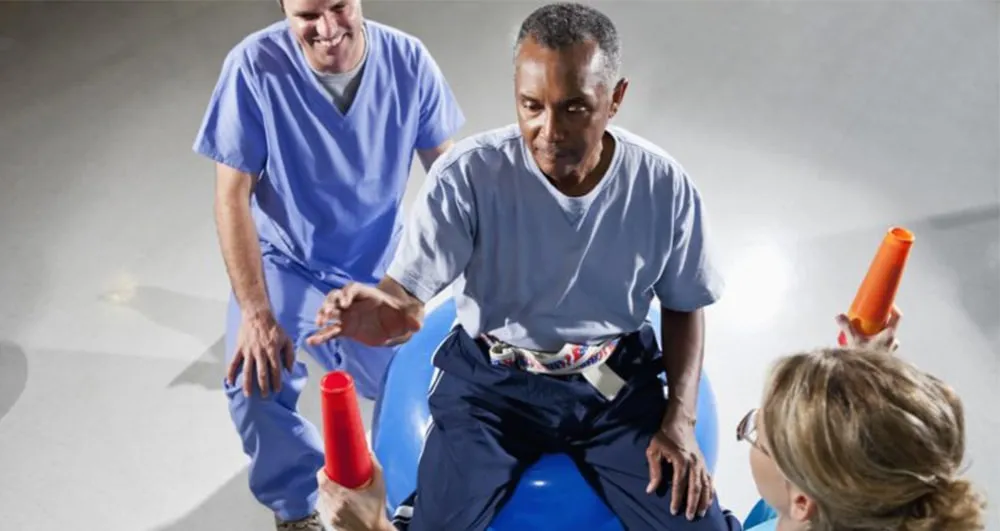
When a loved one comes home after a stroke, families often feel a mix of relief and worry. Relief that the hospital stay is over, and worry about how to help. Will they walk again? How do we lift them safely? How much exercise is too much?
I have worked with many stroke survivors and their families in Ahmedabad. This guide answers the questions families ask me most often. It is general advice, so always follow the guidance of your doctor and your physiotherapist.
Understanding stroke
A stroke happens when blood supply to part of the brain is cut off, either by a blocked blood vessel or by bleeding in the brain. The brain cells in that area are damaged. Depending on which part of the brain is affected, a stroke can cause:
- Weakness or paralysis on one side of the body (hemiplegia)
- Problems with balance and walking
- Stiffness or tightness in the arm or leg
- Loss of feeling on one side
- Problems with speech, swallowing, vision, memory or mood
- Severe tiredness
How does recovery happen?
The brain can form new connections and reorganise itself. This is called neuroplasticity. Repeated practice of meaningful tasks helps the brain relearn movements. This is why regular, focused practice is the heart of stroke rehabilitation.
Recovery is usually fastest in the first three to six months after a stroke, so it is important to start rehab early and keep it regular. But improvement does not stop there. Many people continue to make gains for months and even years with the right practice.
The first weeks at home
Set up the home
- Bed: a bed of the right height, so feet rest flat on the floor when sitting on the edge. Place it so the patient can get out on their stronger side if possible.
- Bathroom: a non slip mat, grab bars near the toilet and in the bathing area, and a shower chair or stool.
- Toilet: a Western toilet or a commode chair is much safer than an Indian style toilet in the early weeks.
- Clear paths: remove loose rugs, wires and clutter.
- Lighting: a night light between the bedroom and bathroom.
- Chair: a firm chair with armrests at a good height.
Positioning the weak side
Good positioning protects the weak shoulder and reduces stiffness.
- In bed: support the weak arm on a pillow. Avoid pulling on the weak arm to move the patient.
- In a chair: sit upright, with the weak arm supported on a pillow or table in front.
- Shoulder care: a weak shoulder can become painful if the arm hangs unsupported for long periods. Ask your physiotherapist how best to support it.
Safe transfers
Lifting the wrong way can injure both the patient and the carer. Your physiotherapist should teach you hands on, but these principles help:
- Encourage the patient to help. Ask them to use their stronger side to push up.
- Bend your knees, keep your back straight and stay close to the patient.
- Never pull on the weak arm or lift under the armpits.
- Use a transfer belt if your physiotherapist recommends one.
- Move in steps: roll to the side, push up to sit, pause, then stand.
Daily practice: the key to recovery
Formal physiotherapy sessions are important, but they are only a small part of the day. What happens between sessions matters just as much.
Use the weaker side
Encourage the patient to use the weaker arm and leg in daily activities, even if movements are small:
- Holding a cup with both hands
- Wiping a table with the weak hand
- Pushing up from a chair with both hands
- Standing with weight through both legs
Practise real tasks
The brain learns best from meaningful activities. Practise:
- Sitting up in bed and sitting balanced on the edge
- Standing up from a chair, many times through the day
- Walking short distances with the right support
- Reaching for objects at different heights
- Simple household tasks, such as folding clothes
Little and often
Several short practice sessions through the day are better than one long, exhausting session. Watch for tiredness and plan rest breaks.
Preventing falls
Falls are common after a stroke because of weakness, poor balance and changes in sensation or vision.
- Use the walking aid recommended by your physiotherapist
- Wear well fitting footwear with a back, not loose slippers
- Keep frequently used items within easy reach
- Stand up slowly to avoid dizziness
- Always have help nearby for walking until the physiotherapist says it is safe to walk alone
Looking after mood and energy
Low mood, anxiety and frustration are common after a stroke, both for the patient and the family. Fatigue is also very common. Celebrate small gains, keep a routine, encourage social contact and tell your doctor if low mood continues. Carers need rest and support too.
How a physiotherapist helps
Home visit physiotherapy is especially valuable after a stroke. In your own home, I can train the exact tasks your loved one needs, such as getting out of their bed, walking to their bathroom and climbing their stairs. A typical plan includes task practice for sitting, standing, walking and reaching, strengthening of weak muscles and stretching of tight ones, balance training, arm and hand training, walking aid and footwear advice, and family training for safe handling and daily practice.
Setting goals that matter
Goals keep recovery focused and motivating. Good goals are specific and meaningful, for example:
- “Walk to the dining table for meals with a stick in four weeks”
- “Drink tea holding the cup with both hands”
- “Sit in the garden for 20 minutes every evening”
Break bigger goals into small steps, and celebrate each step achieved.
When to see a physiotherapist
Contact a physiotherapist if:
- Your loved one has recently come home after a stroke
- They are struggling to sit, stand, walk or use their arm
- They are falling, or you are worried about falls
- The weak shoulder is painful
- You are unsure how to help safely at home
- They had a stroke months ago and you want to see if more improvement is possible
Warning signs that need a doctor
Call 108 immediately if you notice signs of a new stroke. Remember FAST:
- Face drooping on one side
- Arm weakness or numbness
- Speech that is slurred or confused
- Time to call 108
Also seek urgent medical help for a sudden severe headache, sudden loss of vision, chest pain, breathlessness, or a painful swollen calf.
Keeping a recovery diary
A simple notebook helps families track progress. Write down the exercises done each day, how far the patient walked, any falls or near falls, and questions for the next physiotherapy or doctor visit. Looking back over weeks shows how much has improved, which is very motivating.
Key points to remember
- Regular, focused practice of real tasks drives recovery after a stroke.
- Encourage use of the weaker side in daily activities.
- Learn safe transfers to protect both the patient and the carer.
- Remember FAST, and call 108 immediately for signs of a new stroke.
The bottom line
Stroke recovery is a long journey, and families play a huge part in it. Safe handling, a well prepared home and lots of daily practice make a real difference. If you are in Ahmedabad, I can provide home visit stroke rehabilitation and teach your family how to help every day.
Frequently asked questions
How much exercise should a stroke patient do each day?
More practice usually means better recovery, but it must be safe and not exhausting. Short sessions spread through the day often work better than one long session. Your physiotherapist will set the right amount.
Should we do everything for the patient to keep them safe?
Safety comes first, but doing everything for the patient can slow recovery. Encourage them to do as much as they safely can, especially with the weaker side, and help only where needed.
Can the weak arm recover after a stroke?
Many people regain some or much arm and hand function, especially with lots of focused practice. Recovery varies, and the arm often recovers more slowly than the leg.
My father gets very tired after the stroke. Is that normal?
Yes. Fatigue is very common after a stroke. Plan rest breaks, spread activities through the day, and tell the doctor if tiredness is severe or getting worse.
How I can help
Related conditions
Read next
- Physiotherapy for Parkinson's Disease: Staying Steady and Active How physiotherapy helps Parkinson's disease with walking, balance, posture and freezing, plus simple home exercises and fall prevention tips.
- Home Visit Physiotherapy in Ahmedabad: How It Works Who home physiotherapy is for, what happens at a home visit, which areas of Ahmedabad are covered and how to prepare. A clear guide from Dr. Meghna Oza.
- How to Prevent Falls in Older Adults: Exercises and Home Safety Tips Practical fall prevention for elderly parents: balance and strength exercises, home safety checks and when to get help. From an Ahmedabad physiotherapist.
Trusted sources used for this page
- Stroke rehabilitation in adults (NG236) , National Institute for Health and Care Excellence (NICE)
- Stroke: recovery , NHS
- Rehabilitation fact sheet , World Health Organization
This page is general health information, not a diagnosis. Please see a doctor or physiotherapist for advice about your own condition. Read the medical disclaimer.